Hôtel Lauzun
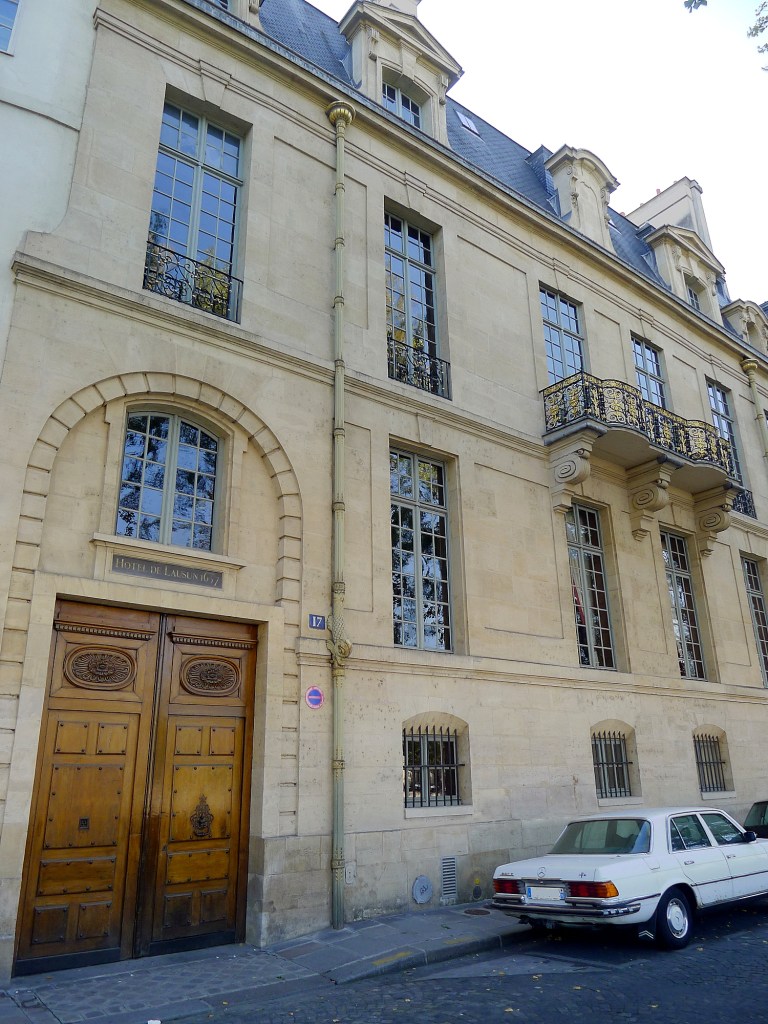
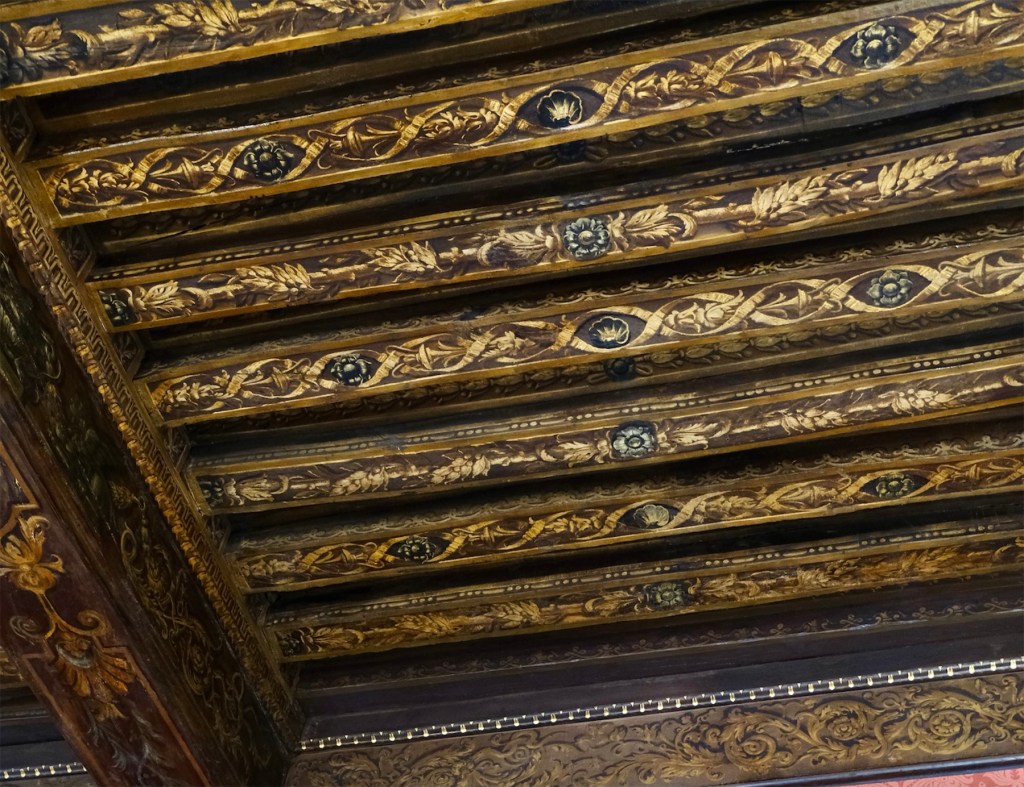
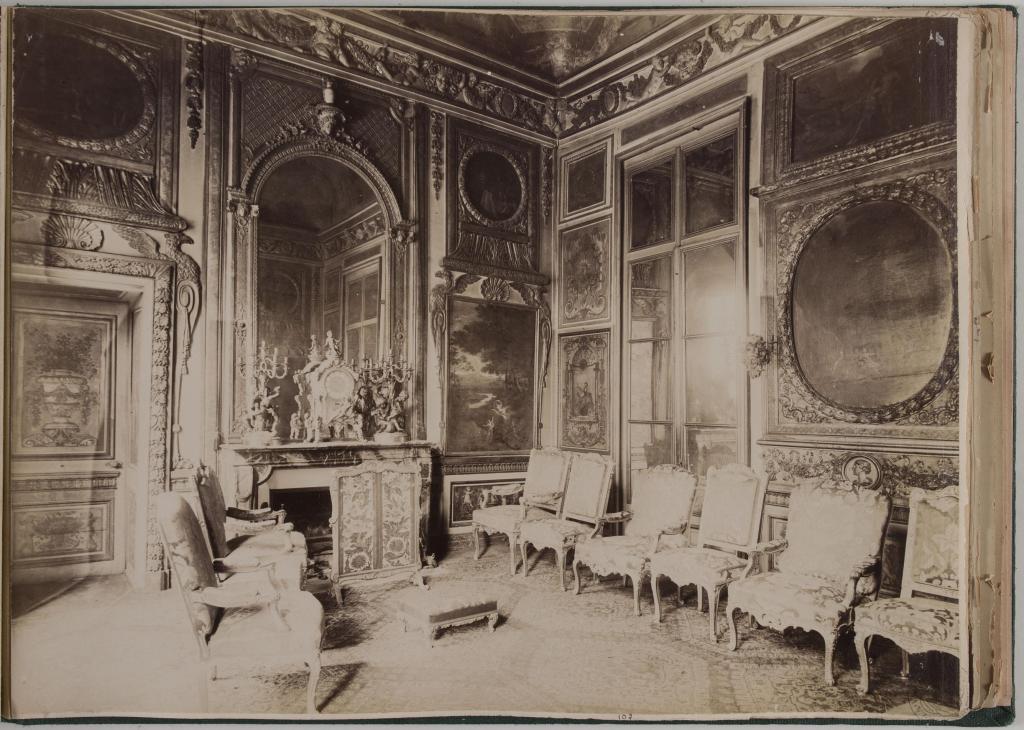
A jewel box lies hidden behind the façade of the Hôtel Lauzun, yet the building’s ornate 1st floor iron balcony and piscine downspouts are but a tease to what lies beyond the mansion’s gates. The building, which now belongs to the city of Paris and was declared a historic monument in 1906, was once one of the most sumptuous mansions in the city and to this day remains one of the best preserved examples of 17th century interiors in the city.
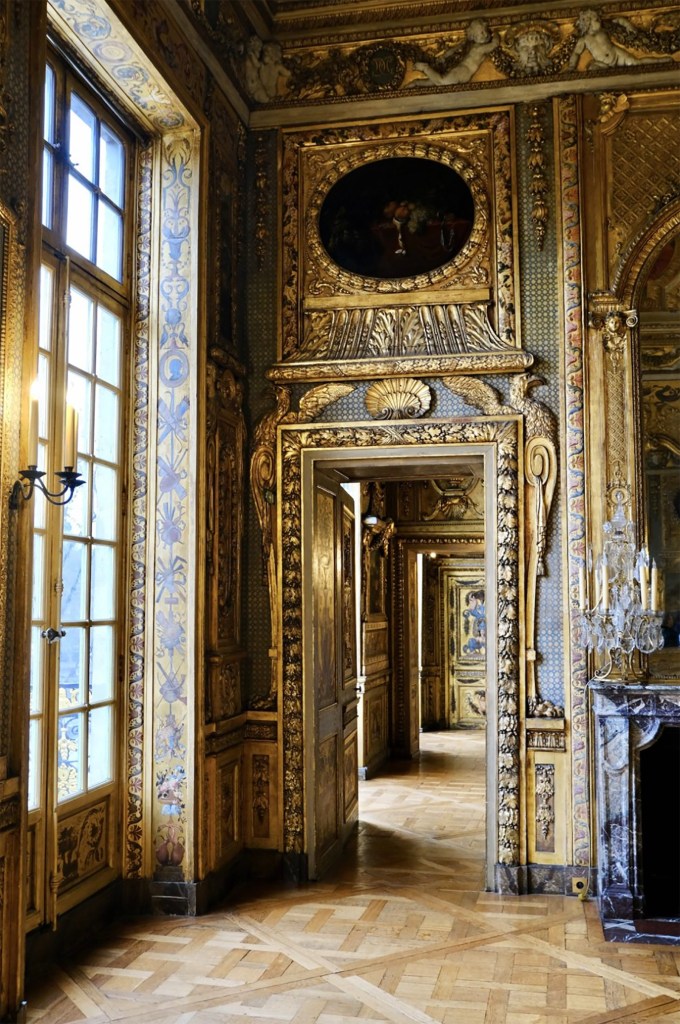
The mansion, built between 1656 and 1657, was commissioned by Charles Gruyn des Bordes, a wealthy financier and Louis XIV’s general commissioner of cavalry supplies. Gruyn purchased the plot for the mansion in 1641, but it wasn’t until he made plans to wed Geneviève de Mouy that construction began on the home in earnest. One can still find the couple’s initials M & C intertwined in some of the decorative embellishments.
Most sources credit the design of the home to Louis Le Vau, who was responsible for many of the earliest mansions on the island and also a more “notable” name, but other sources indicate that it was actually Le Vau’s second in command, Charles Chamois, who was the chief architect of the structure.
Gruyn, who took his name from the Bordes estate he had purchased, was the son of a wealthy tavern owner who owned a cabaret on Île de la Cité called La Pomme de Pin which was frequented by Racine, La Fontaine and Molière. Unfortunately, Gruyn did not remain in the mansion for long; he was swept up in the scandal that fell upon his associate Nicolas Fouquet, Louis XIV’s superintendent of finances who was accused of peculation and disrespect to the monarch. Gruyn was convicted of embezzlement in 1662, and later died in 1680.
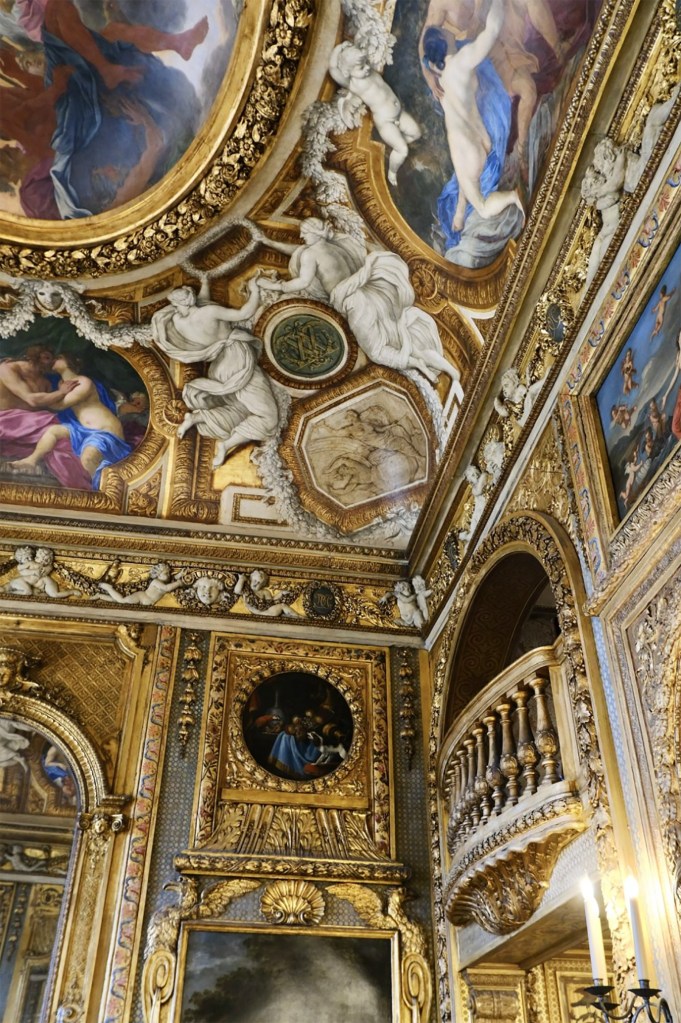
The home was purchased in 1682 by its namesake, Nompar de Caumont, the then Count de Lauzun. The count, once a favorite of Louis XIV and also colonel-general of the dragoons, had planned to marry the King’s first cousin, the Duchess of Montpensier, but the marriage would have made the count an extremely powerful man and the King withdrew his consent. The count was arrested in 1671 and was imprisoned for 10 years until his beloved succeeded in obtaining his release. The count and duchess married in secret shortly after, and purchased the home at that time, but their union did not go happily and they separated in 1684.
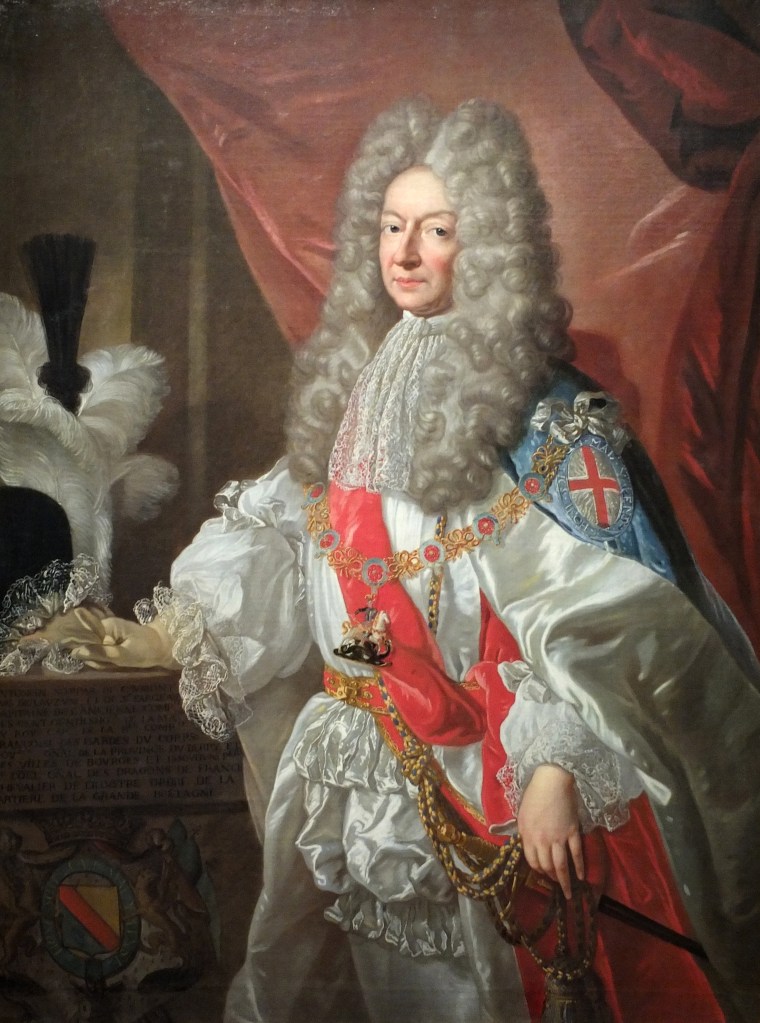
The home was sold the following year to Louis-Armand Duplessis de Vignerod, Marquis de Richelieu, grandnephew of Cardinal Richelieu, and his wife Marie-Charlotte de Mazarin, herself the grandniece of Cardinal Mazarin. After the Marquis and Marquise quit the mansion, the home had a series of owners. It was first sold to the former collector for the Clergy of France, Pierre-François Ogier, in 1709, then again in 1769 to the Marquis de Tessé, but in 1779 it became the Hôtel de Pimodan when it was purchased by the Marquis de Pimodan.
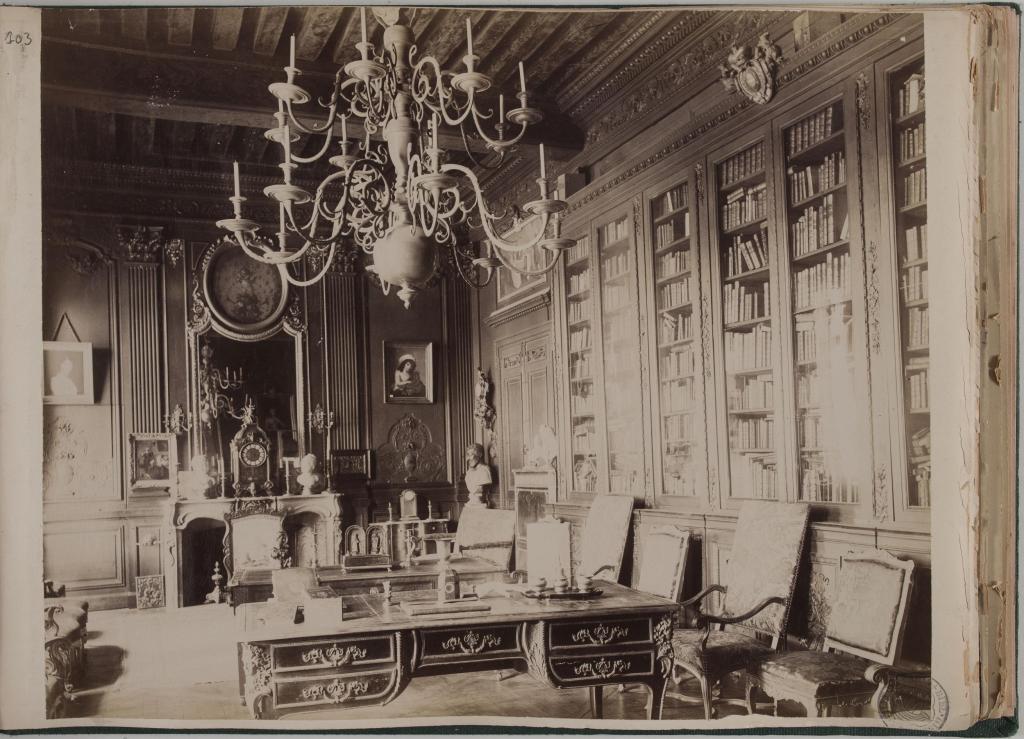
It was the Marquis’ home for almost 60 years until it was sold to the bibliophile and collector Baron Jérôme Pichon. It is to the Baron that we owe a debt of gratitude for his restoration of the interiors of the building.
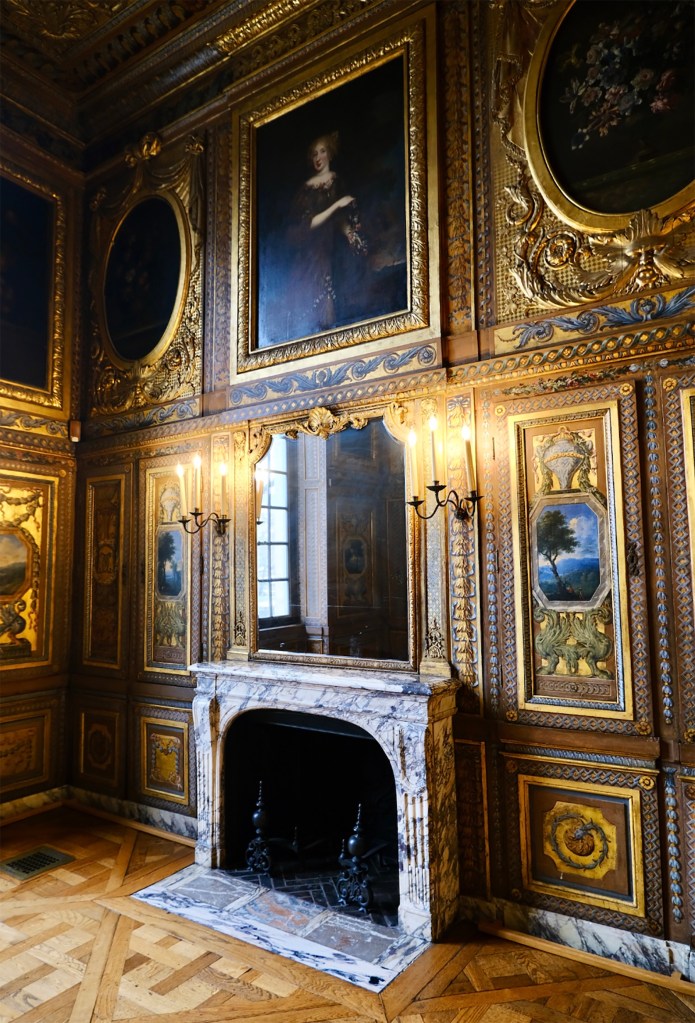
The Baron, a prolific collector of books, decorative items and ephemera, also rented rooms in the mansion to the likes of Charles Baudelaire, Théophile Gautier, and the painter Fernand Boissard. During this time the Lauzun became the home of the Club des Hashischins, a group dedicated to the exploration of drug induced experiences, which counted among its members, the mansion’s owner Pichon, as well as Baudelaire, Honoré de Balzac, Alexandre Dumas, Victor Hugo and Boissard who hosted the initial events in his rented rooms in the mansion.
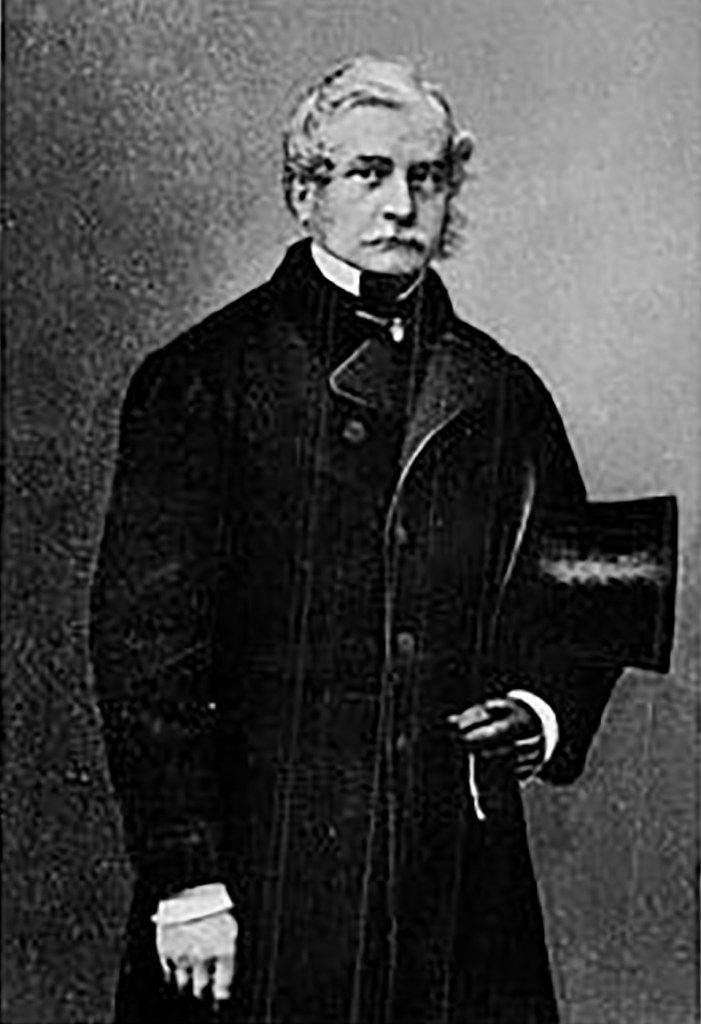
The Baron owned the mansion until his death in 1896. It was then sold to the city of Paris which owned the home briefly until it was sold back to the Baron’s grandson, Louis Pichon, who owned the home until 1928 when it was again sold to the current owner, the city of Paris. The Hôtel Lauzun has been occupied since 2013 by the Paris Institute for Advanced Studies which is dedicated to the promotion of the humanities and social sciences.
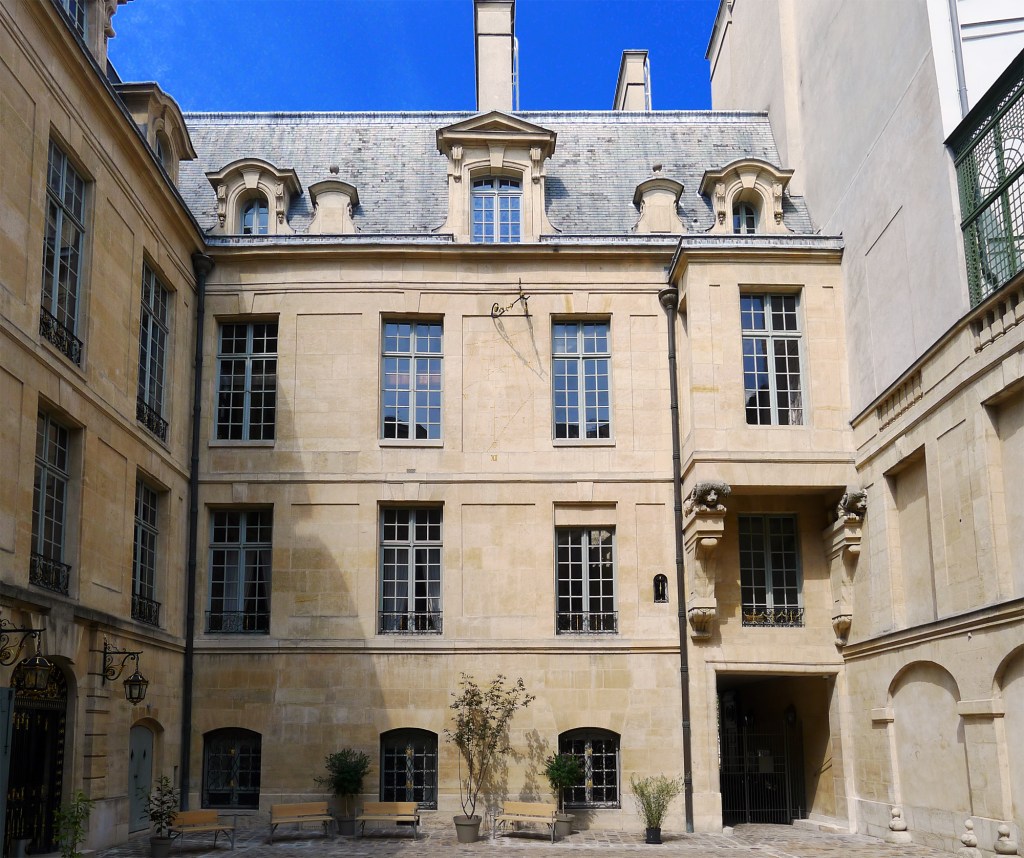
The mansion is closed to the public, but it is opened on rare occasions for viewing. Several of the above photographs were taken by Landen Kerr during one of those events. Many thanks to Landen for the photos.
 L'Île Saint-Louis