Hôtel Lambert
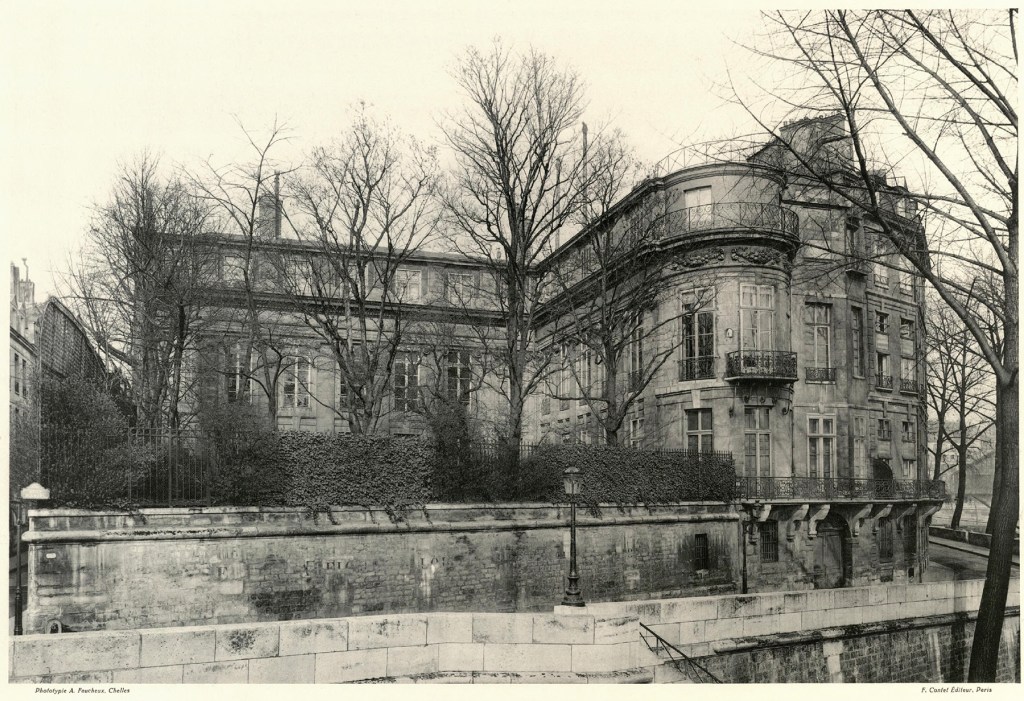
It’s hard not to fall on superlatives when thinking about the Hôtel Lambert. The building has lived nine lives, and then some. Some of the world’s greatest thinkers, most talented artists and musicians and wealthiest people have entered its gates and lived and partied well into the night there. One might say it is a mythic address.
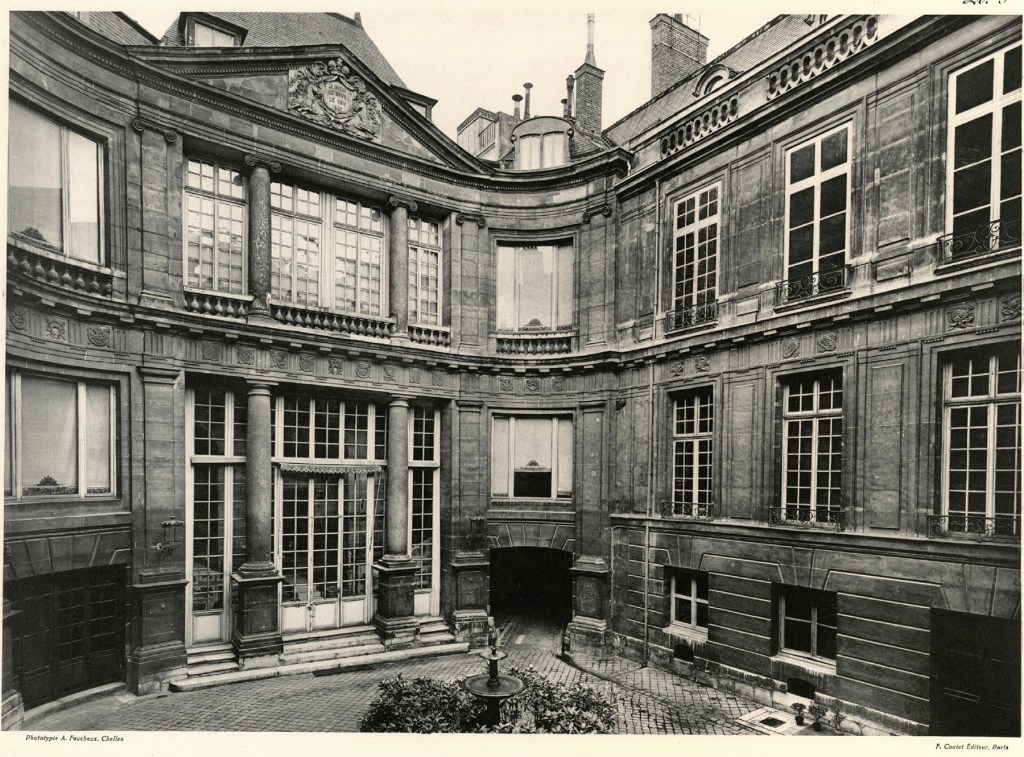
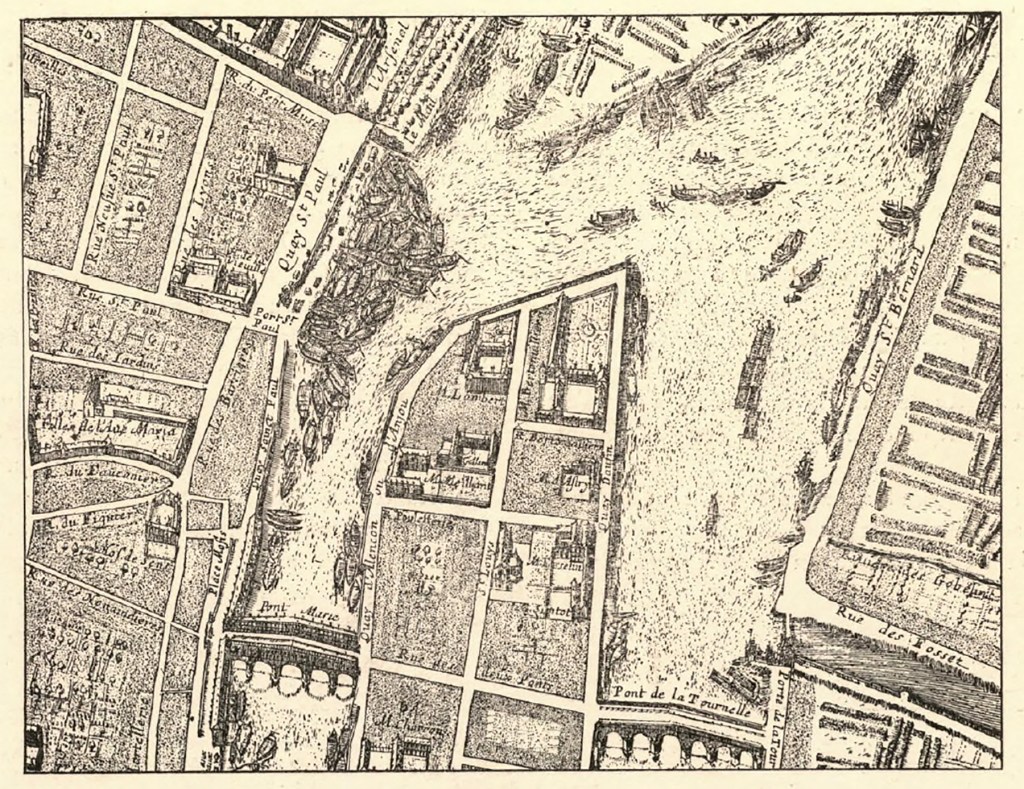
The mansion, one of the city’s most storied surviving examples of 17th century classical architecture in the Baroque style, had its beginnings when Jean-Baptiste Lambert (1607-1644), an advisor and secretary to the King, approached the then mostly unknown 27 year old architect, Louis Le Vau, with a request to build a mansion on a strangely shaped, almost trapezoidal plot on the northeastern edge of what was then Île Notre Dame. Le Vau was, at the time, an up-and-coming architect. He had already designed the Hôtel Bautru in the 2nd arrondissement, but he had not yet created the superb Château Vaux-le-Vicomte, nor was he yet the celebrated, favorite architect of Louis XIV who would be responsible for much of the expansion of the Château de Versailles. Le Vau, along with his brother François and their father, were responsible however for several of the early grand maisons on the island, and the Lambert was one of the first grand mansions to be built on that land before the mid-17th century.
Construction began in 1639 and the building was completed two years later, but it would take an additional 3 years to complete the mansion’s lavish interiors. Jean-Baptiste Lambert was only able to live in the house for a few months before he died in December 1644 at the age of thirty-seven.
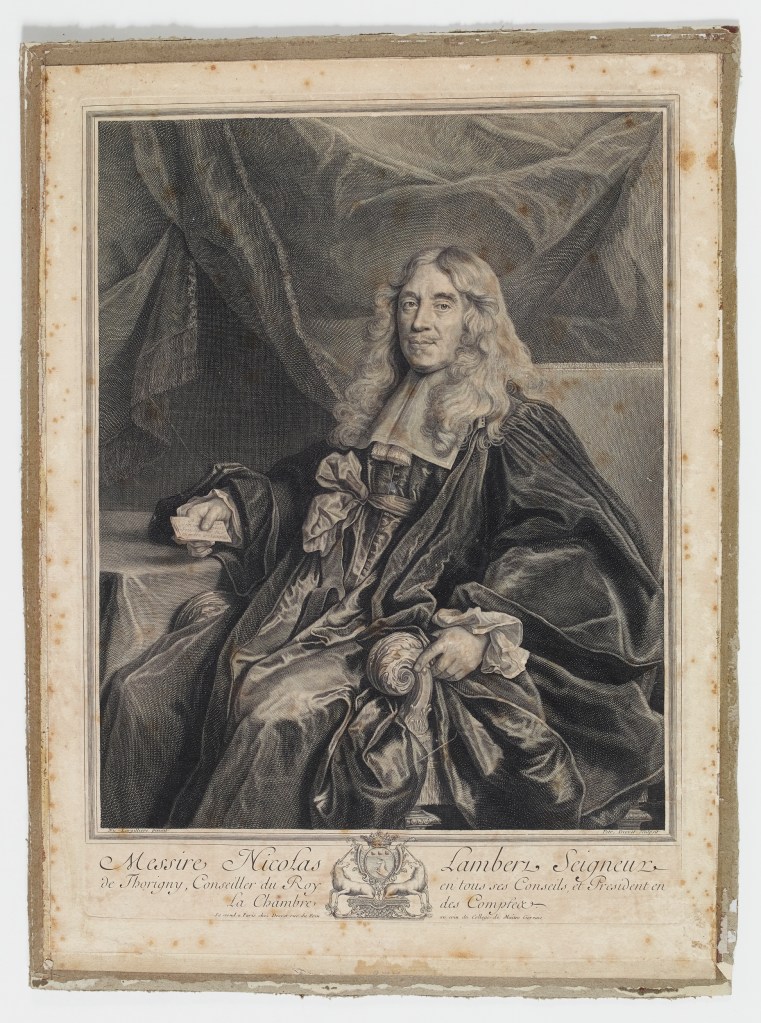
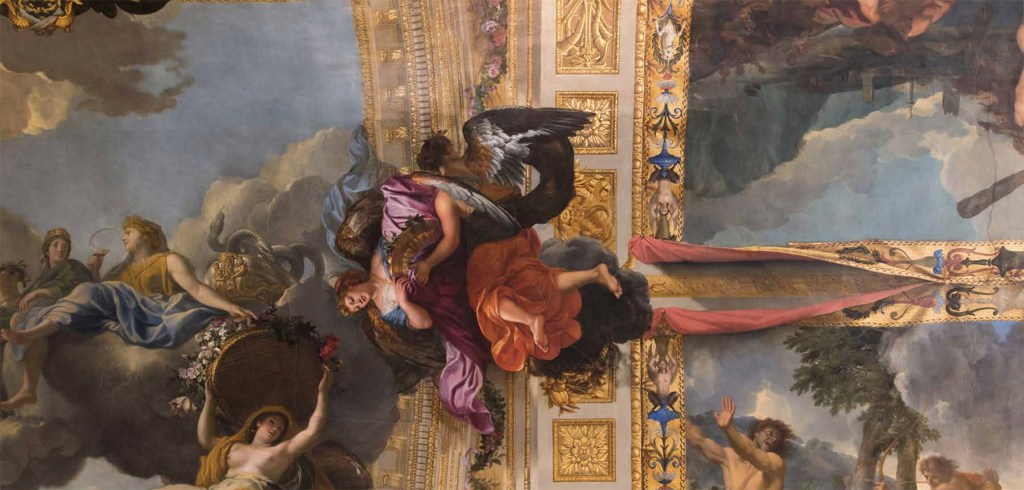
Nicolas Lambert, Jean-Baptiste’s brother, a wealthy financier known as “Lambert le Riche”, inherited the house, and it is he who is responsible for most of the lavish decoration that we come to associate with the house today. Nicolas engaged established and rising artists of the time, François Perrier, Eustache Le Sueur and Charles Le Brun to decorate the home. It is the latter, Le Brun, who is credited with one of the mansion’s many extraordinary decorative achievements, the ceiling of the Galerie d’Hercule.
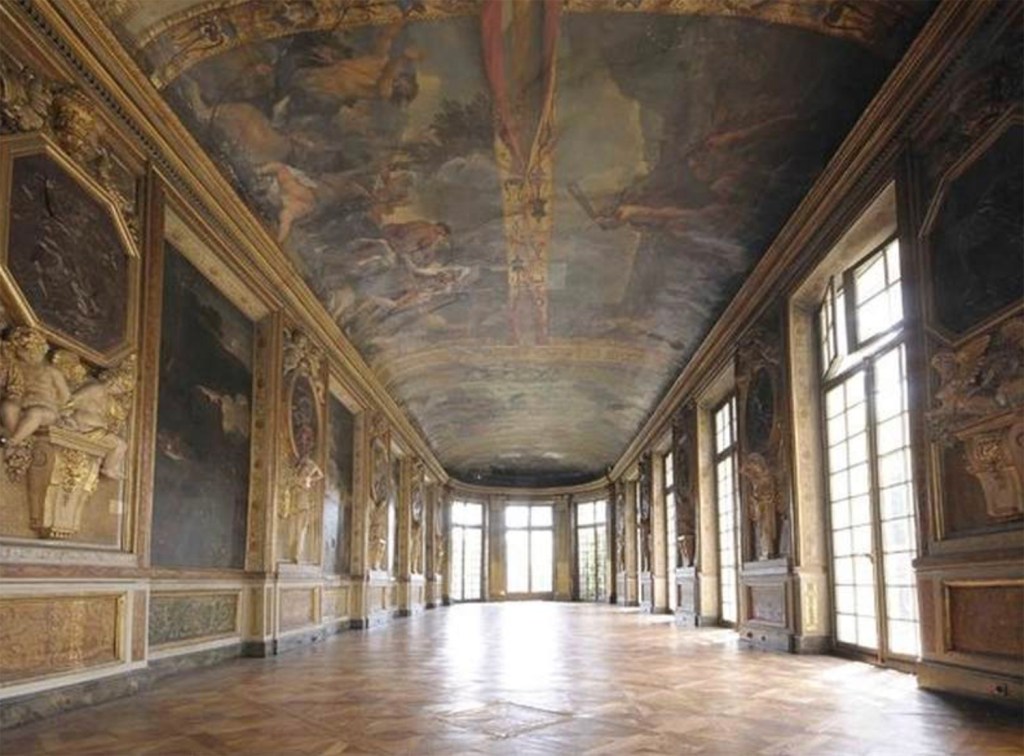
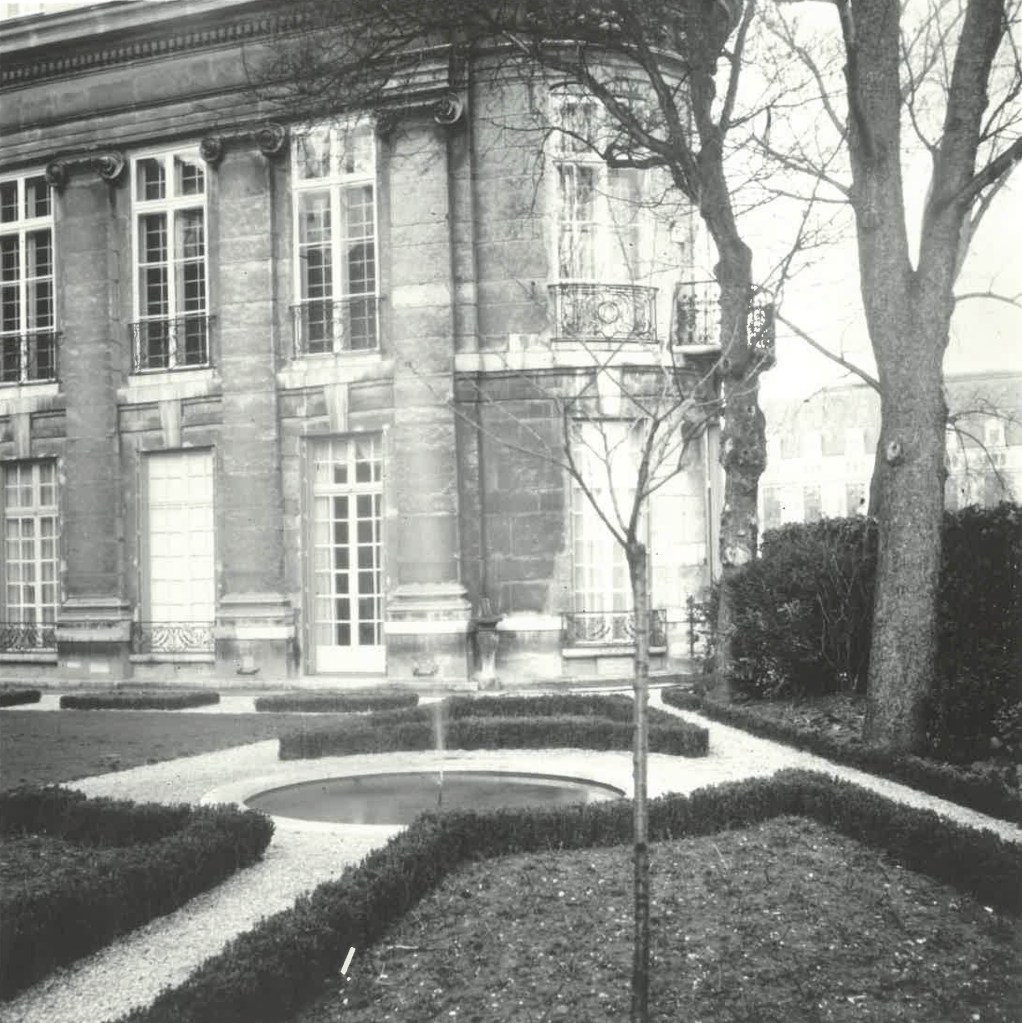
Architecturally, the building is unique for its unusual layout and orientation. The odd shape of the plot required a design that veered from norms of the period. Most of the Hôtel Particulier of the time followed a linear design where one entered the home from the street through gates into a central courtyard with the main house facing and circling you as you enter and then the garden behind the main house one after the other.
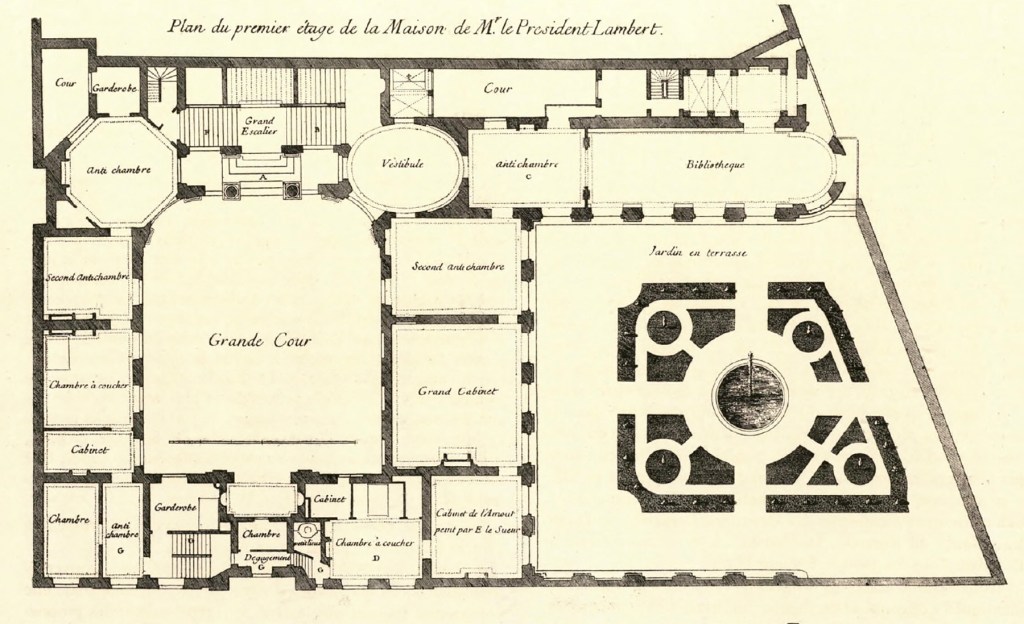
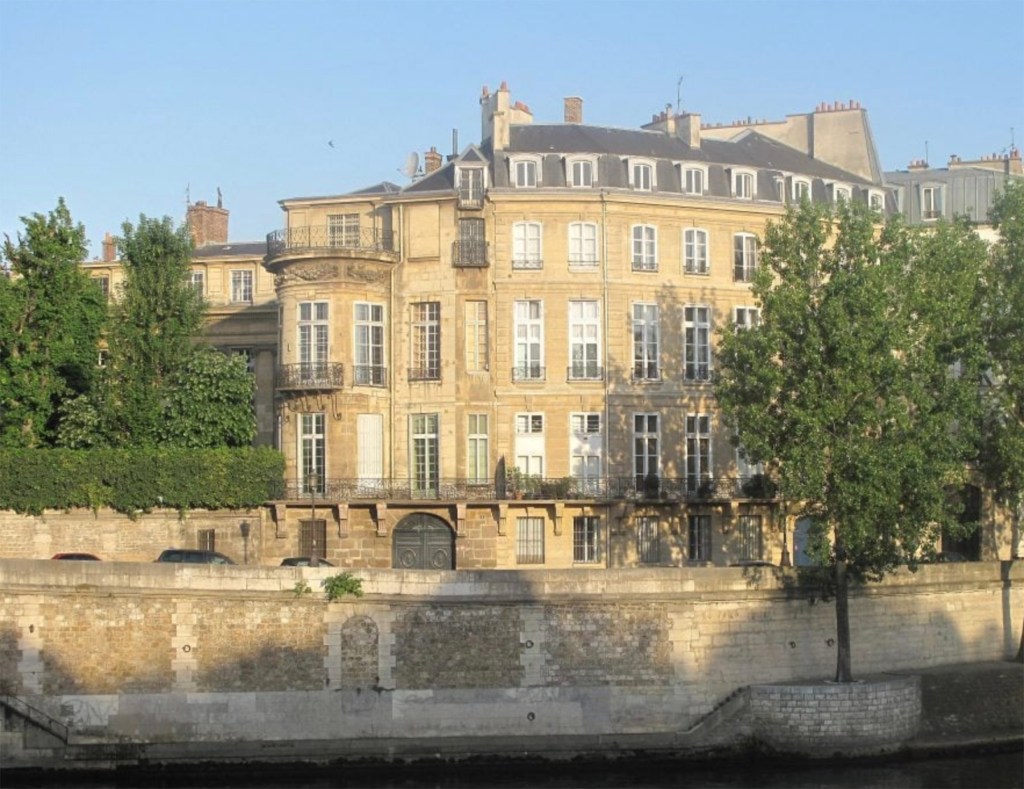
The plot of the Hôtel Lambert required Le Vau to cleverly design the house with the carriage entrance on rue Saint-Louis en l’Île entering the Grand Cour with the garden at a right angle on the side of the structure allowing for the best views and the maximum amount of light. The plot was also sloped, so the staff quarters, stables, and service area were kept on the ground floor, which was also unique, with the garden and the public areas suspended above on the first and second levels allowing for the best possible amount of light and air, and of course, the best possible views of the river.
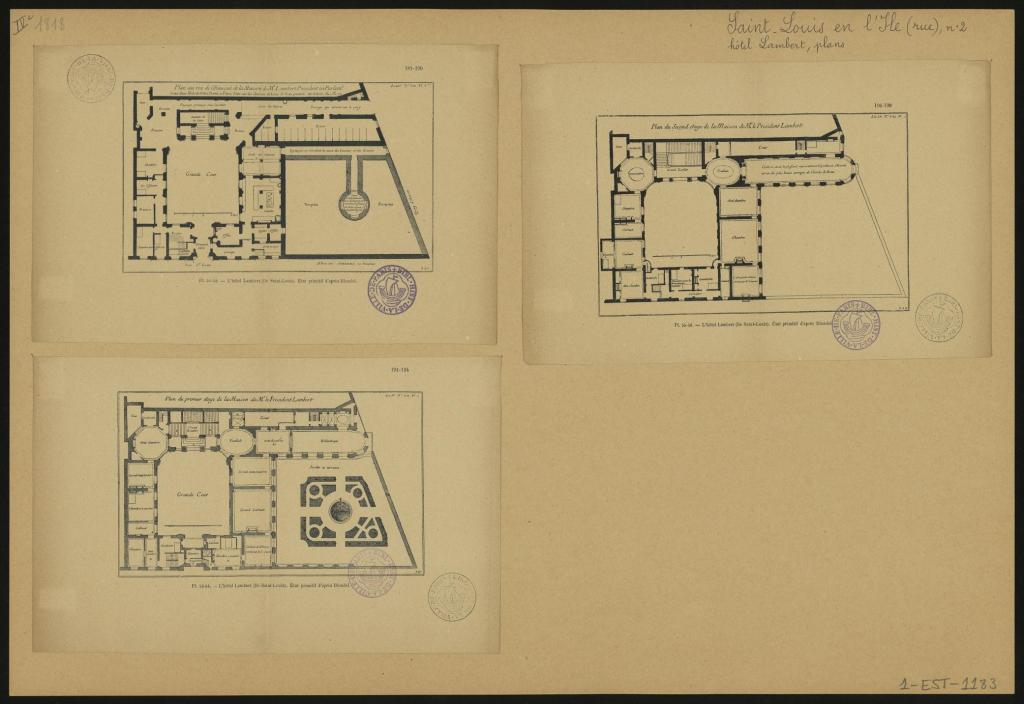
The house stayed in the Lambert family until 1729 when it passed to Fermier général and financier Claude Dupin who purchased the home with the help of his mother-in-law, Madame de Fontaine.
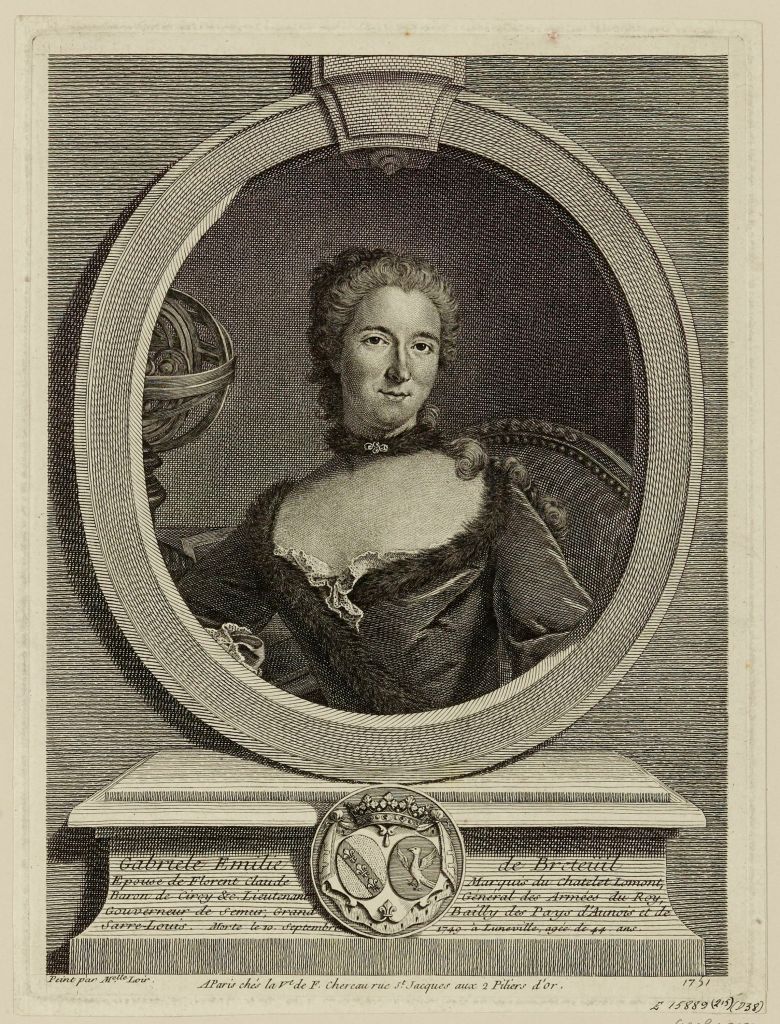
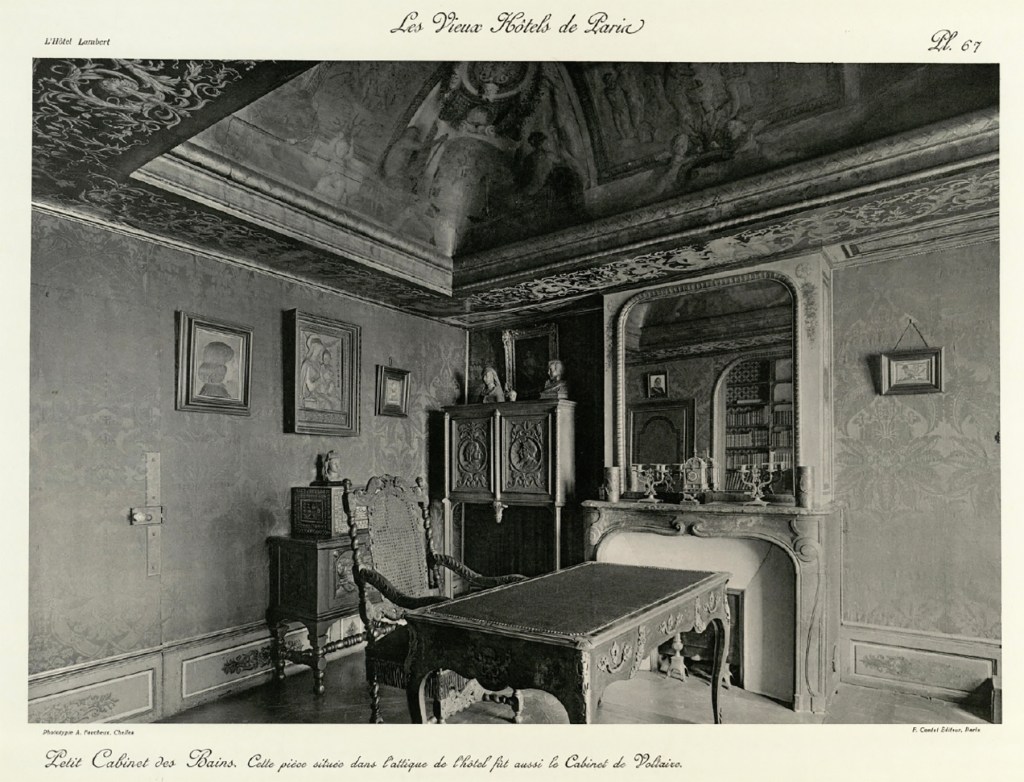
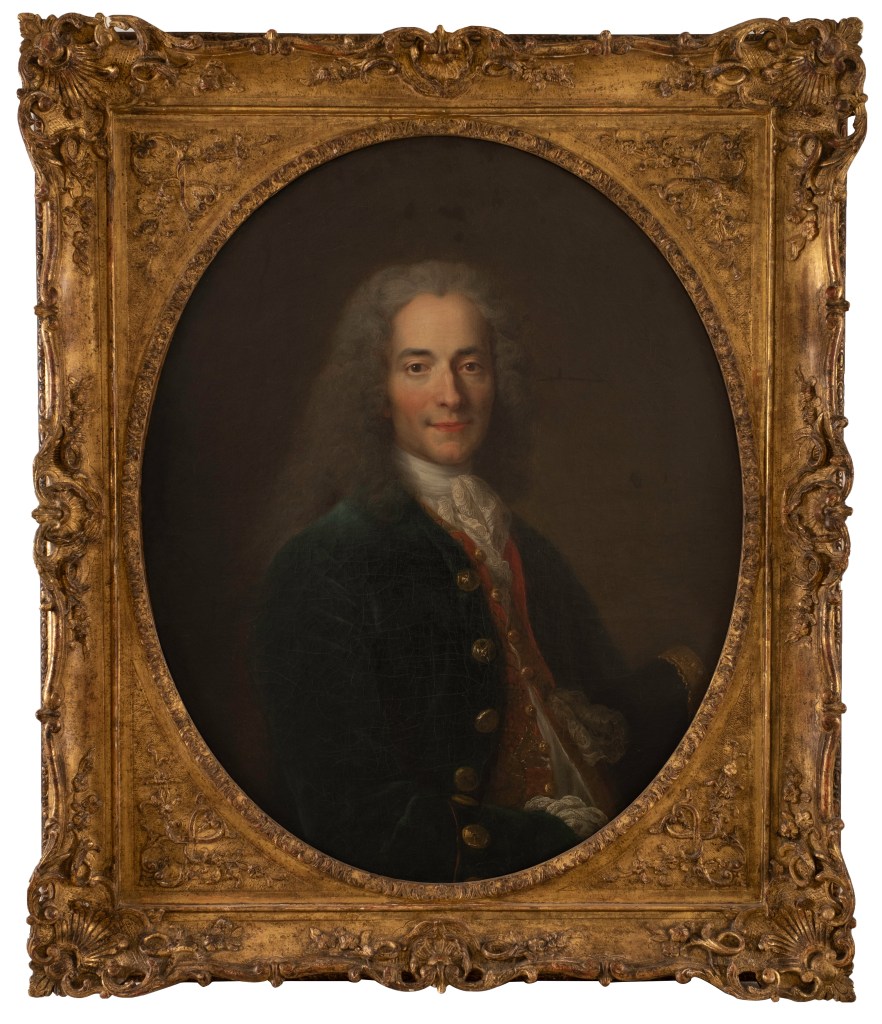
The home was sold again in 1739 and passed to the Marquis de Châtelet who was married to Gabrielle Le Tonnier de Breteuil, Marquise de Châtelet, a noted mathematician and physicist. The Marquise was a well known intellect and mathematician of the time, but she is also known for her many lovers, including a long affaire with Voltaire who was a guest at the Lambert and had an office there in 1742.
The book, Connaissance du Vieux Paris, notes that the house was sold again in 1745 and passed to Fermier général Marin La Haye. Its worth mentioning here that records put La Haye’s birth date as 1736 which would have made him 9 years old at the time which makes the purchase date seem likely incorrect. The Lambert was expanded during La Haye’s tenure to include the houses located at 1 and 3 quai d’Anjou, at least one of which had been designed by and belonged to Louis Le Vau.
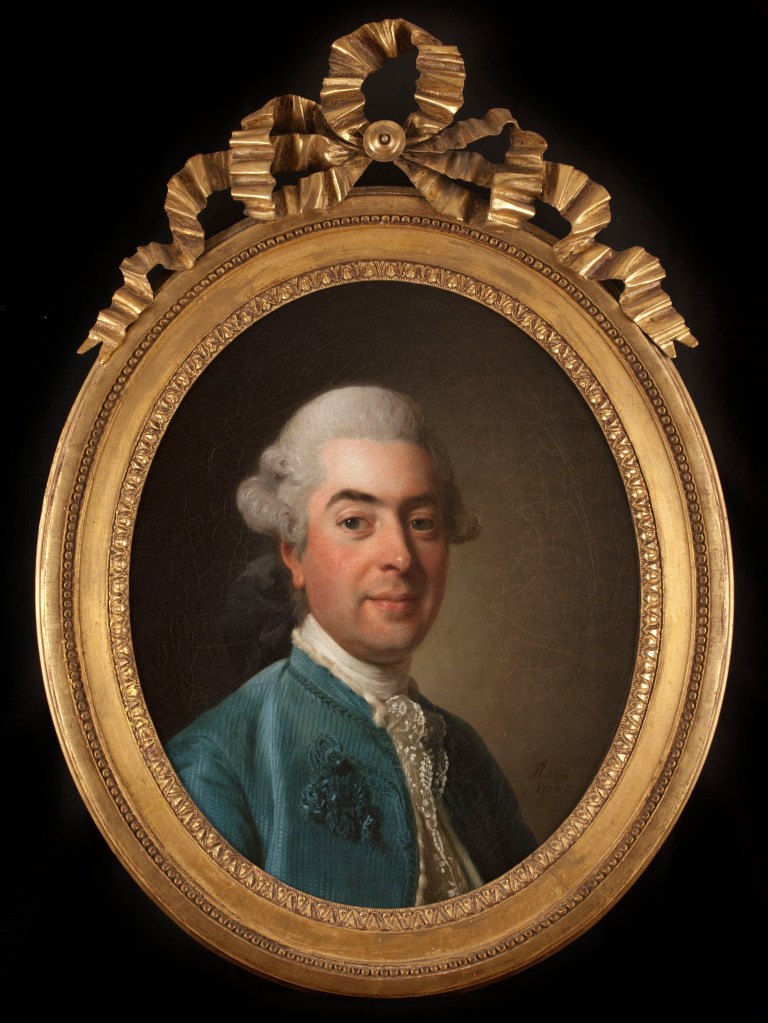
A point of note: The Rothschild archive makes mention of the expansion of the Lambert saying, “After Le Vau’s death in 1670, his hôtel was bought by the La Haye family, who enlarged the property.”, but La Haye didn’t purchase the Lambert until well after that date. The Lambert could have been expanded before that date, or the above quote could be correct with the addition of the other buildings taking place years well after Le Vau’s death. The addition of the buildings along the quai d’Anjou greatly expanded the footprint of the house.
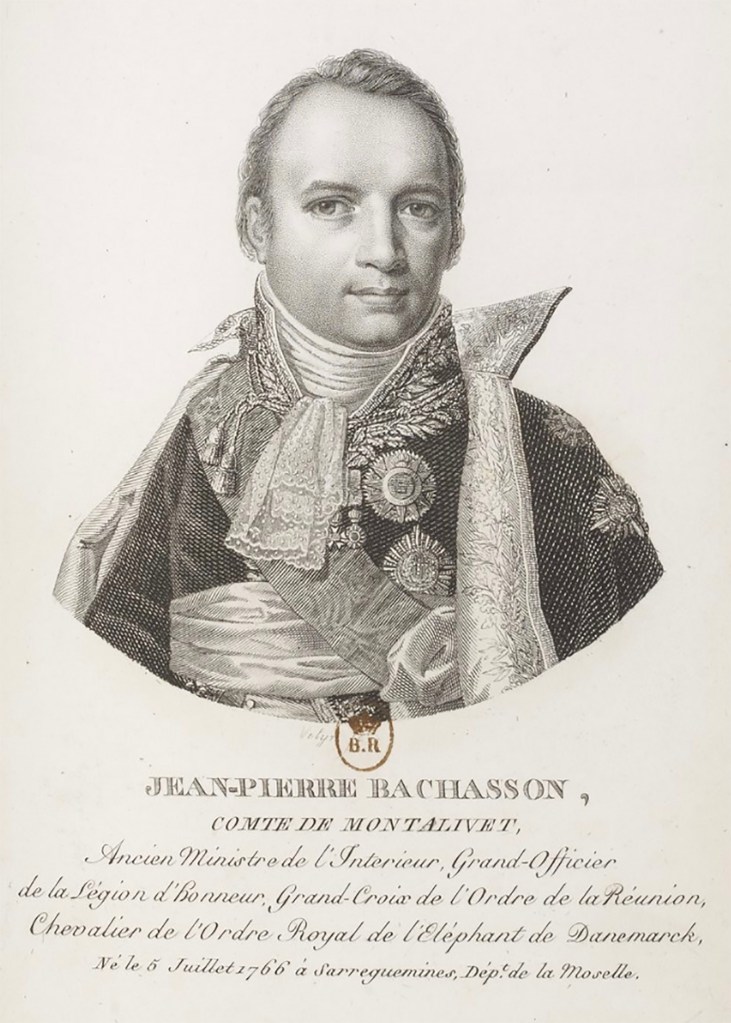
The home was sold again in 1813 to Jean-Pierre Bachasson compte de Monalivet, an officer, magistrate, and statesman who served as Prefect, then Minister of the Interior from 1809 to 1814 under the reign of Napoleon.
In 1843 the Lambert was purchased by Prince and Princess Czartoryski after the Prince had been banished from his country in 1831 during the Polish uprising. The Czartoryski family would make the Hôtel Lambert their home for more than a hundred years.
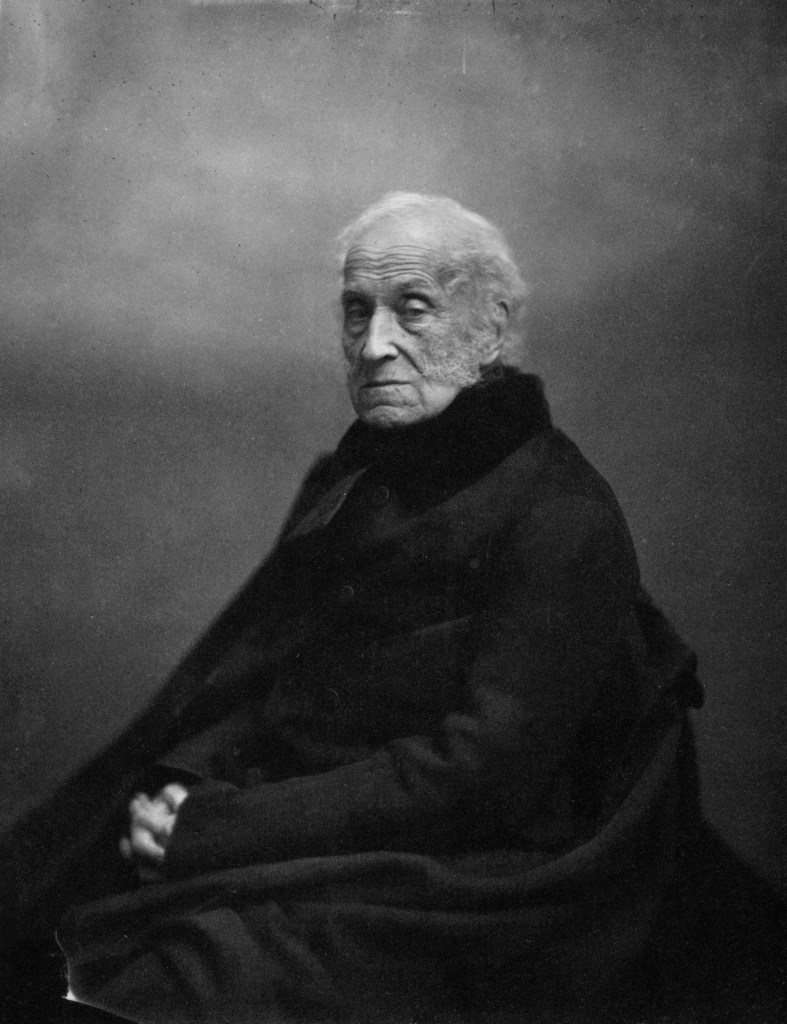
The family was also instrumental in the restoration of the Lambert during the their ownership of the building. The hôtel had fallen into disrepair during the revolution and the early part of the 19th century, and the family involved Eugène Delacroix and Viollet-le-Duc in its restoration. The Czartoryski’s hosted many balls and dinners during their time there, and Honoré de Balzac, Franz Liszt, Frédéric Chopin and Georges Sand were frequent quests in the home.
Adam Czartoryski was also critical to the creation of the Polish Library in Paris. The library is the oldest Polish institution outside of Poland, and has been in the same building at 6, quai d’Orléans on the island since 1838. The complex has belonged to the Polish Academy of Arts and Letters since 1893.
It was during the Czartoryski family’s ownership of the home that the Lambert was divided into private apartments. One of the early noteworthy tenants was the artist Kees Van Dongen who had an office there.
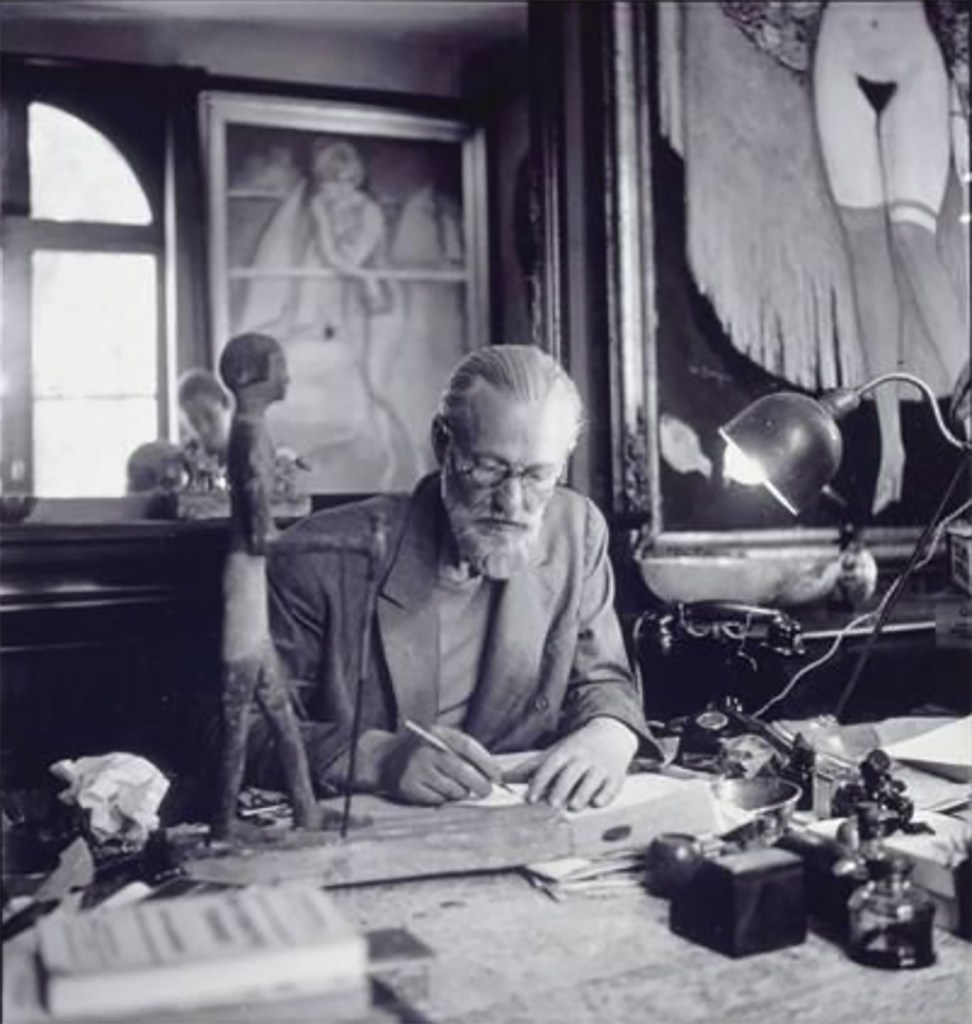
In 1947 The Hôtel Lambert attracted one of the building’s most celebrated and long-term residents, Alexis von Rosenberg, third Baron de Redé, who moved into a first floor apartment.
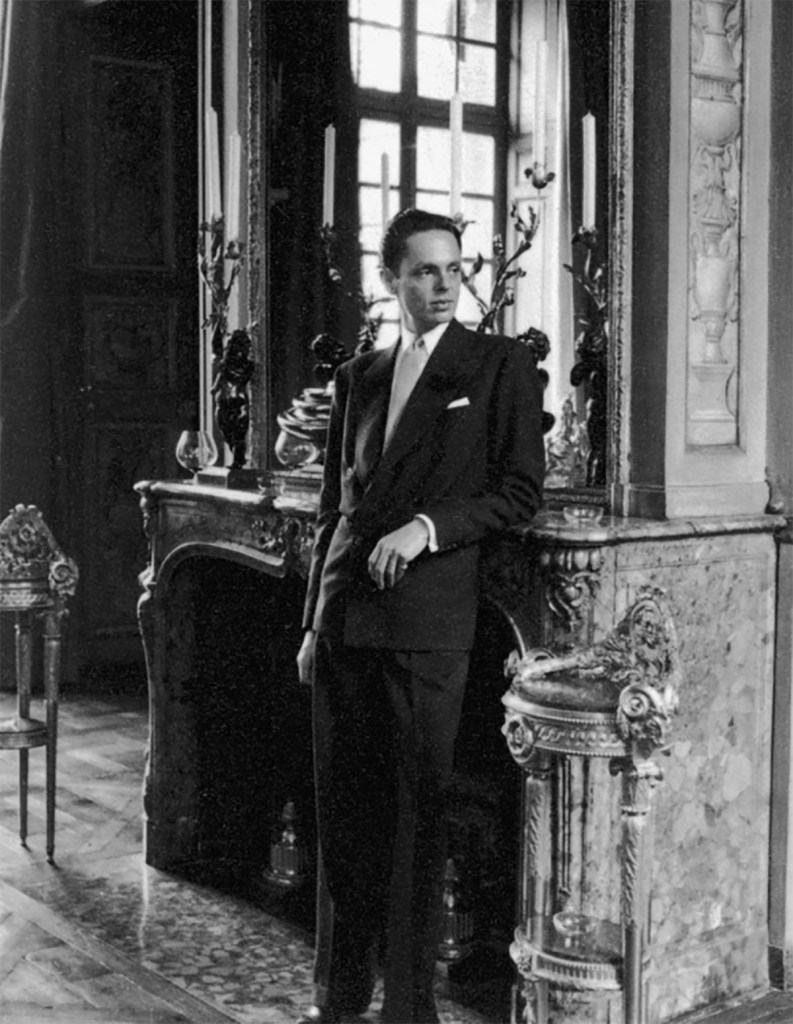
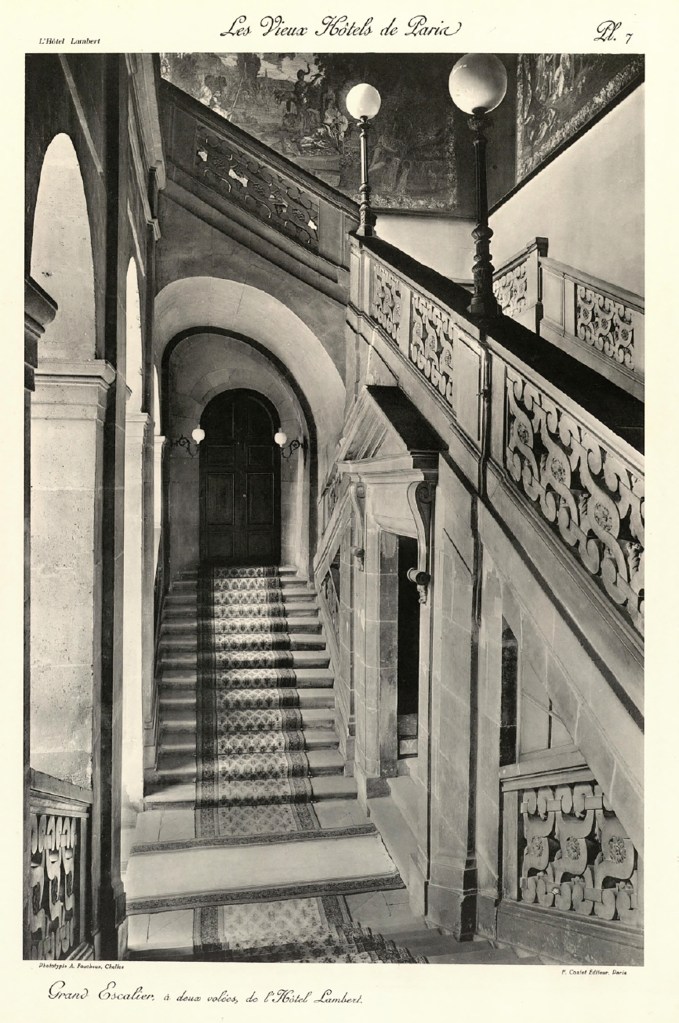
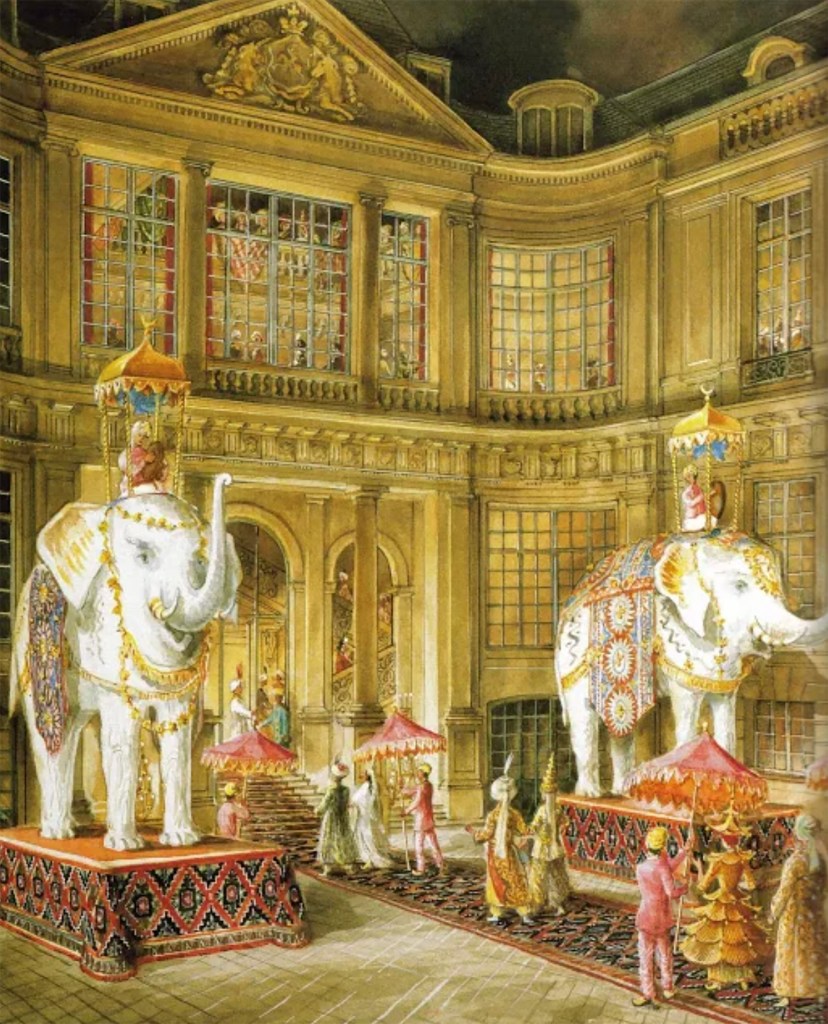
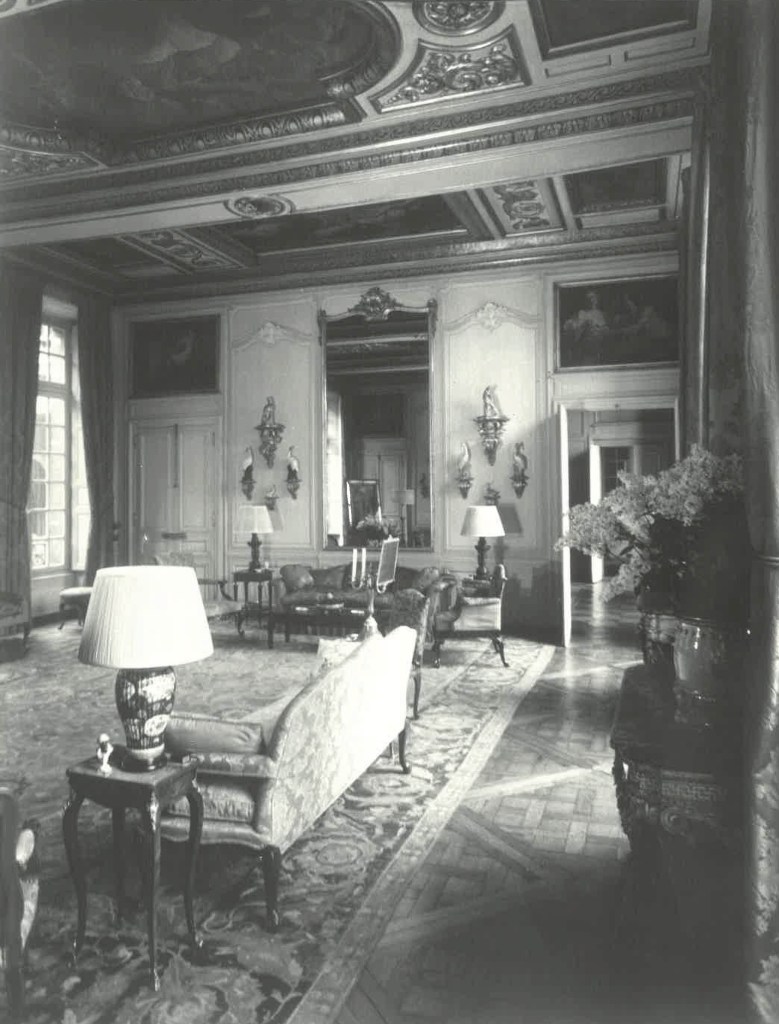
During his more than 50 year tenure in the building, Baron de Redé was responsible for restoring much of the grand maison to its former glory. He was also responsible for some of the most talked about and legendary parties of post-war Paris including the 1957 Bal des Têtes, and the 1969 Bal Oriental. For the latter, the Baron had his event staff construct two life-size paper-mâché Elephants that greeted guests while bodybuilders dressed as Nubian warriors held torches to light the way as invitees ascended the Lambert’s famous staircase. The guest list was a who’s who of high society, the arts and Hollywood of the time.
Some other notable residents of the building during the 20th century were the American socialite, fashion icon and philanthropist Mona Von Bismarck. Mona was a legendary presence on the international scene in the early and mid-20th century, and was known at one time as “The world’s best dressed woman”. She also created the American Center for Art and Culture in Paris.
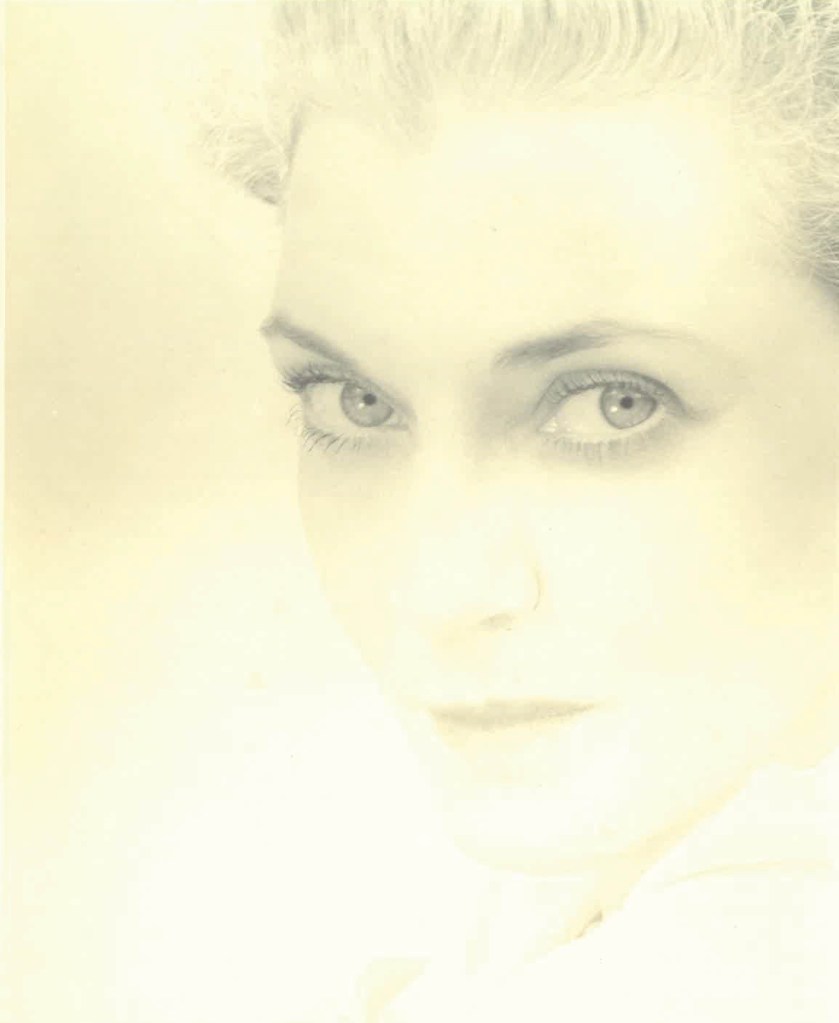
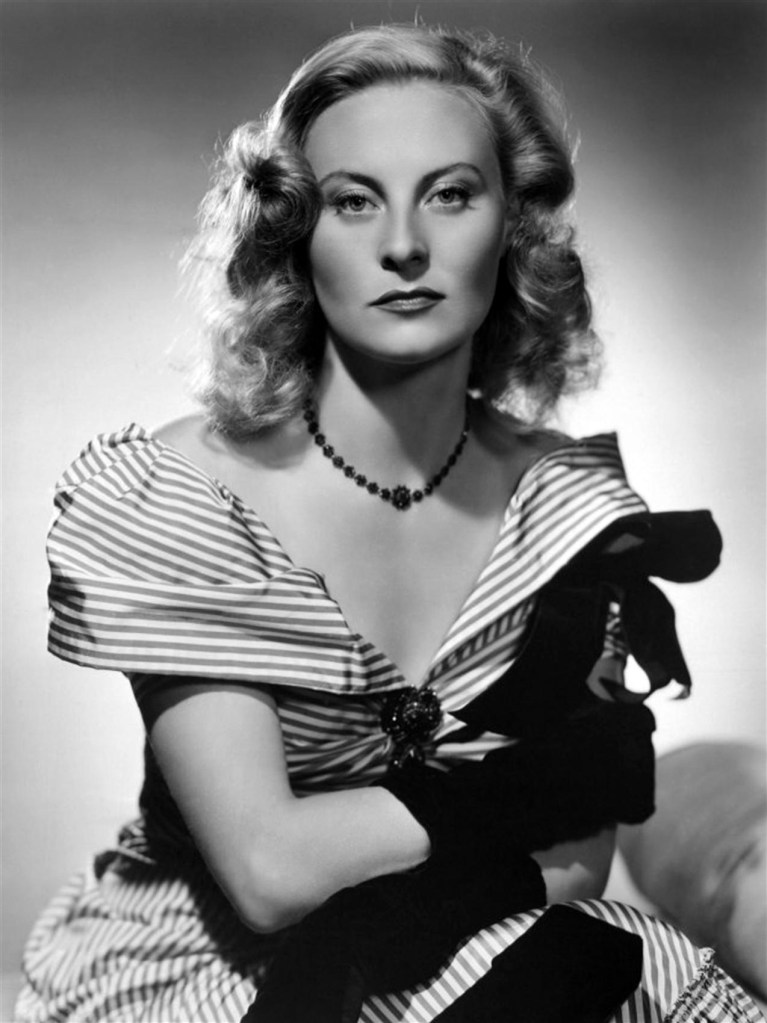
The famous French actress, Michèle Morgan, also lived in a third floor apartment in the Lambert from the 1950’s through the mid-1970’s.
In 1975 the Czartoryski family announced that the Hôtel Lambert would be sold and Baron de Redé, who had lived in the mansion for 30 years at that point, convinced his lifelong friend Marie-Hélène de Rothschild and her husband Guy to buy the home and let him continue to live there. The Rothschild’s made improvements to the property and invested significant resources into the restoration of the decorative elements of the interiors. Baron von Redé continued to live in the home after the death of his dear friend Hélène in 1996 and it wasn’t until 2007, after Baron von Redé’s death in 2004, that the building was again sold.
The Hôtel Lambert was purchased in 2007 by Sheikh Abdullah bin Khalifa Al Thani who led a major effort to upgrade the building and make significant improvements to the structure and also a extensive restoration effort to the building’s historical elements. There was quite a bit of controversy related to the Sheikh’s efforts to upgrade and restore the building which sparked several lawsuits from neighbors and conservationists. An agreement was reached in 2010 and a state-certified architect was put in place to oversee the project.
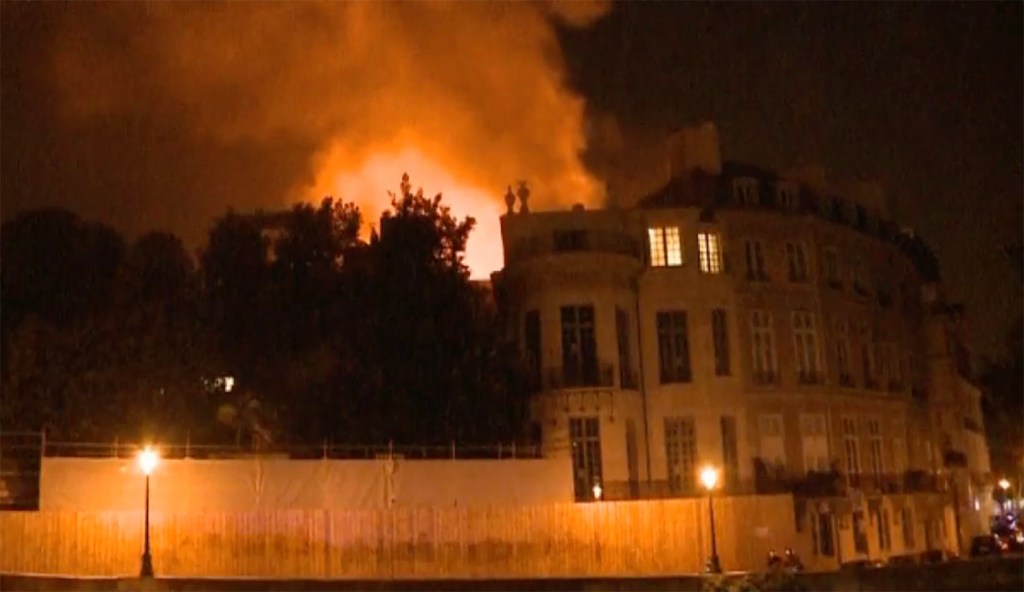
Unfortunately, there was a fire on July 13, 2014 during the restoration and the roof and central staircase were heavily damaged. The fire raged for 6 hours and the water and smoke caused significant damage to the interior of the building including the famous salon d’Hercules.
Reconstruction and repairs began anew after the fire, and the Lambert was fully restored, but the restoration work was reported to have cost 147 million dollars. The Sheikh kept the home for several years and then sold it in 2012 to the billionaire Xavier Niel who plans to use the building to house his charitable foundation.
Sothebys conducted a sale of the exquisite furniture and decorative objects of the Lambert before the transfer of the home to Mr. Neil. The contents of the sale can be viewed via the link below.
 L'Île Saint-Louis