Hotel Hesselin
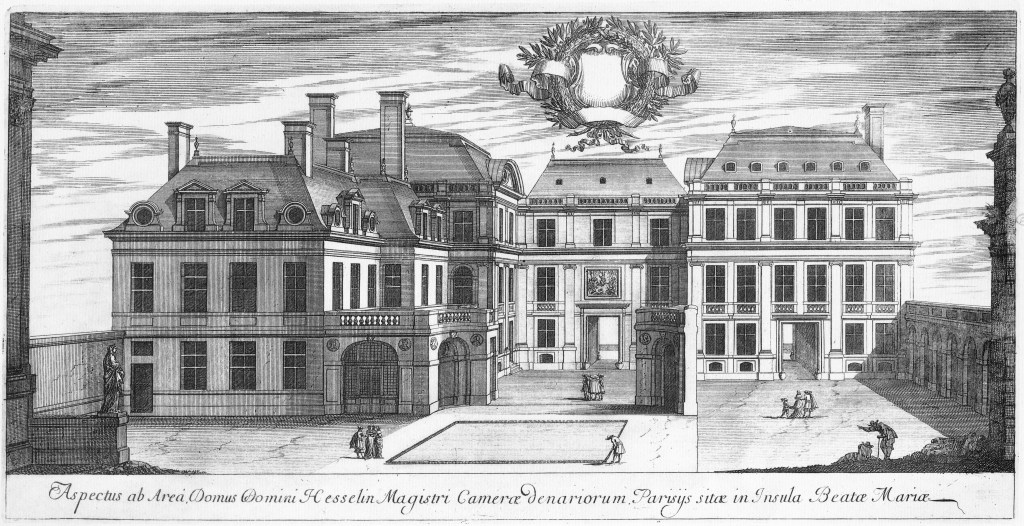
Number 24 Quai de Béthune was once the location of one of the most beautiful mansions on the island. The current structure dates to the late 1930’s, but the original structure was built around 1639 to 1642.
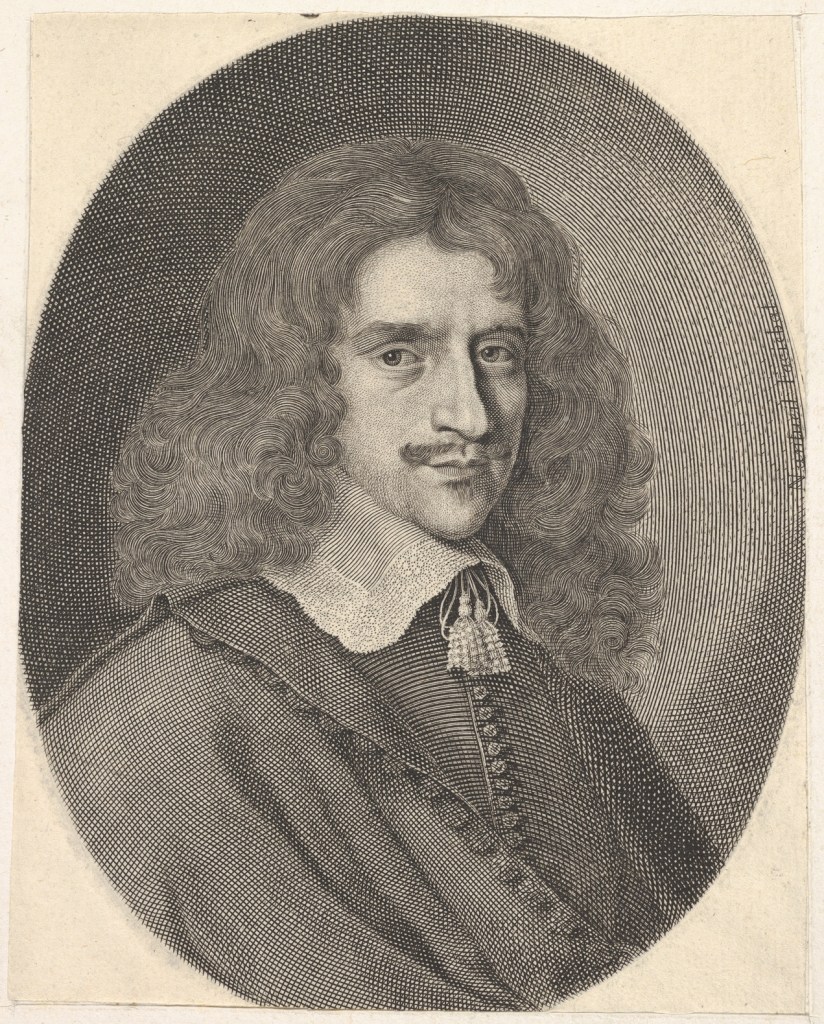
The home which was commissioned by Louis Hesselin, an aristocrat and government official, was designed by Louis Le Vau.
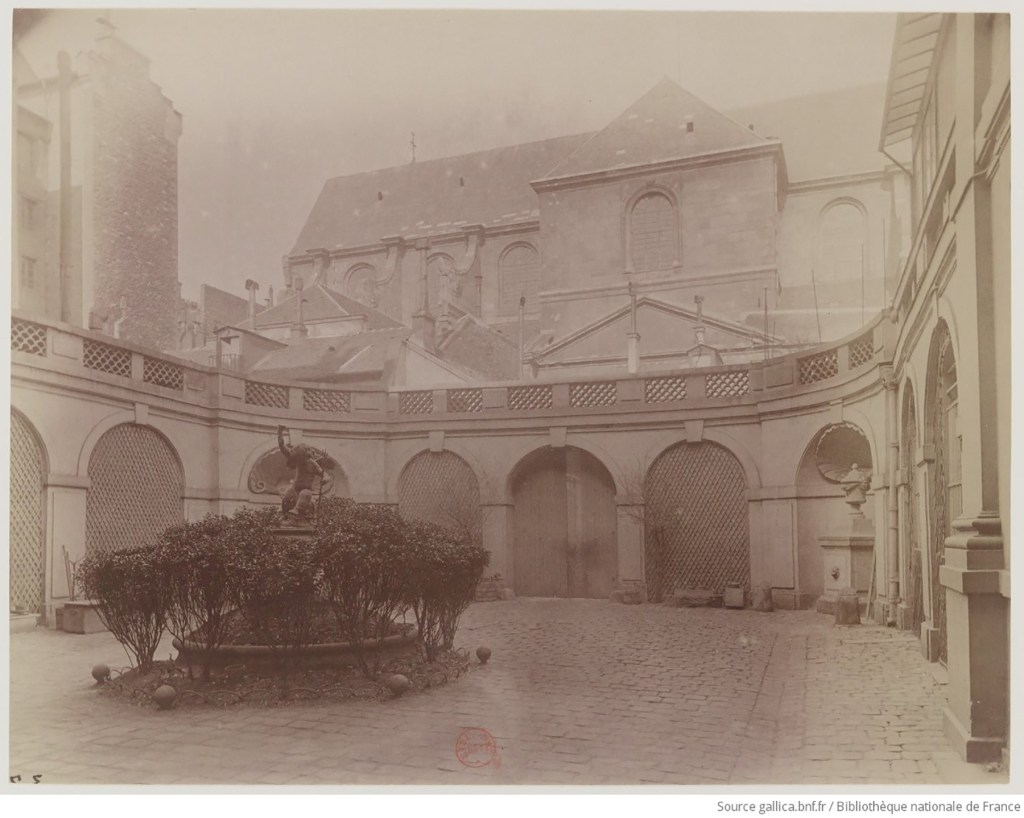
The original structure demonstrated Le Vau’s architectural ingenuity as the main reception rooms of the house faced the river with the private apartments behind, and the courtyard reached through the carriage gates at the center of the structure in order to maximize the location’s tranquil setting and river views.
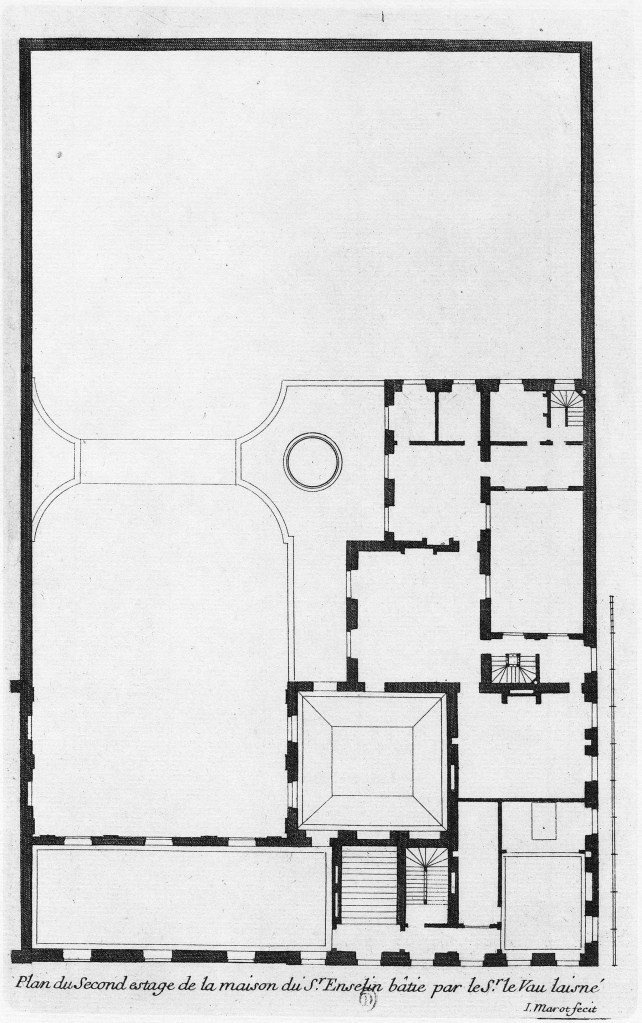
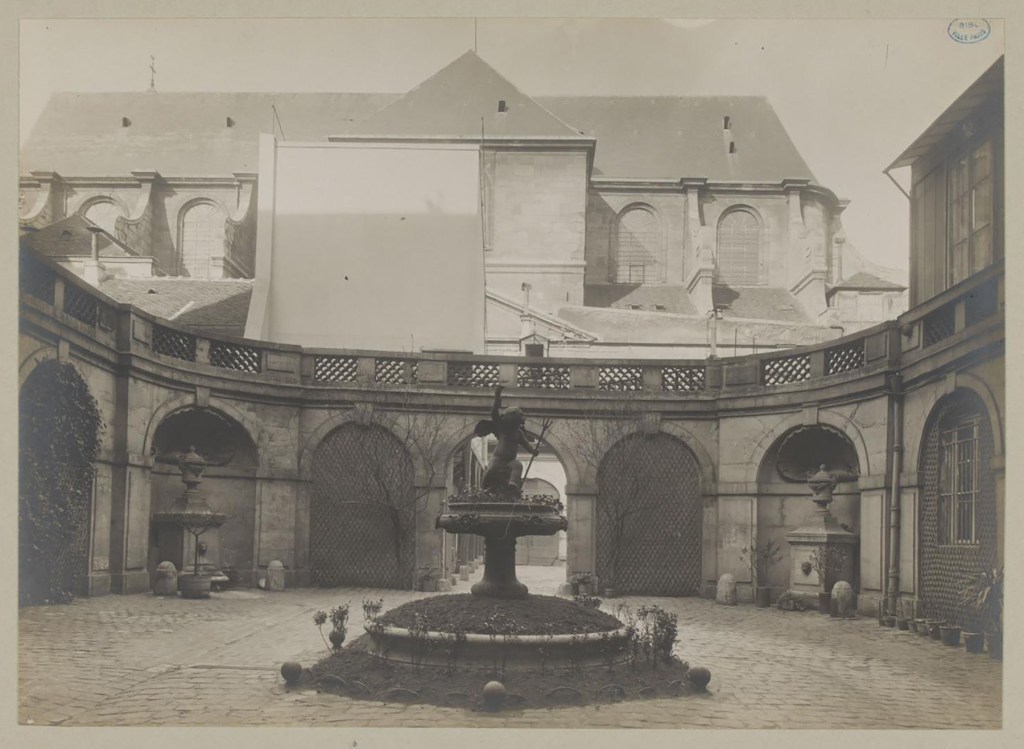
The courtyard led through to the garden with the stables on the eastern side of the green space along Rue Poulettier.
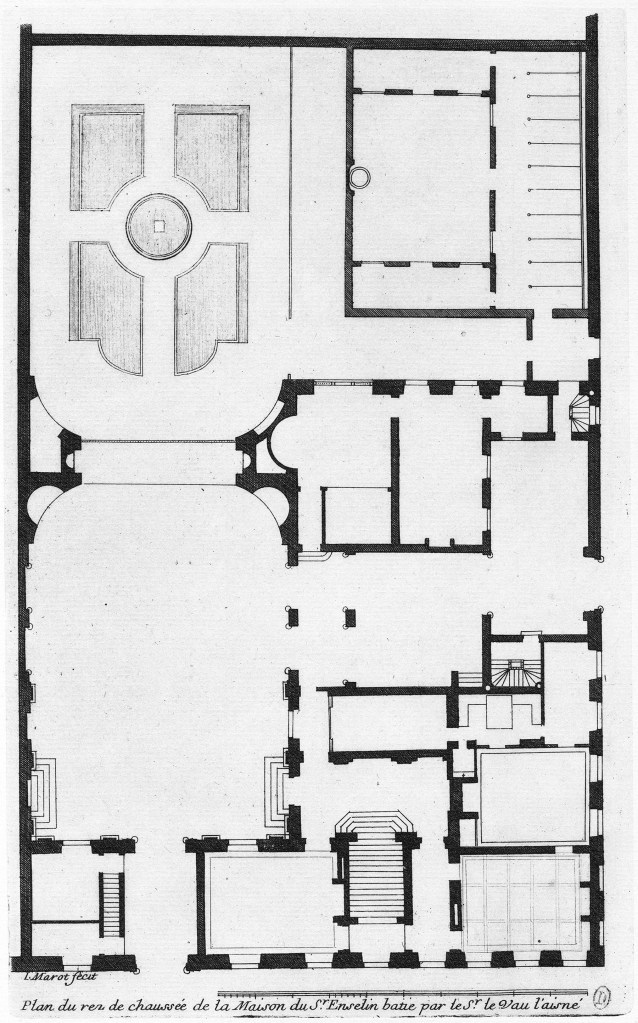
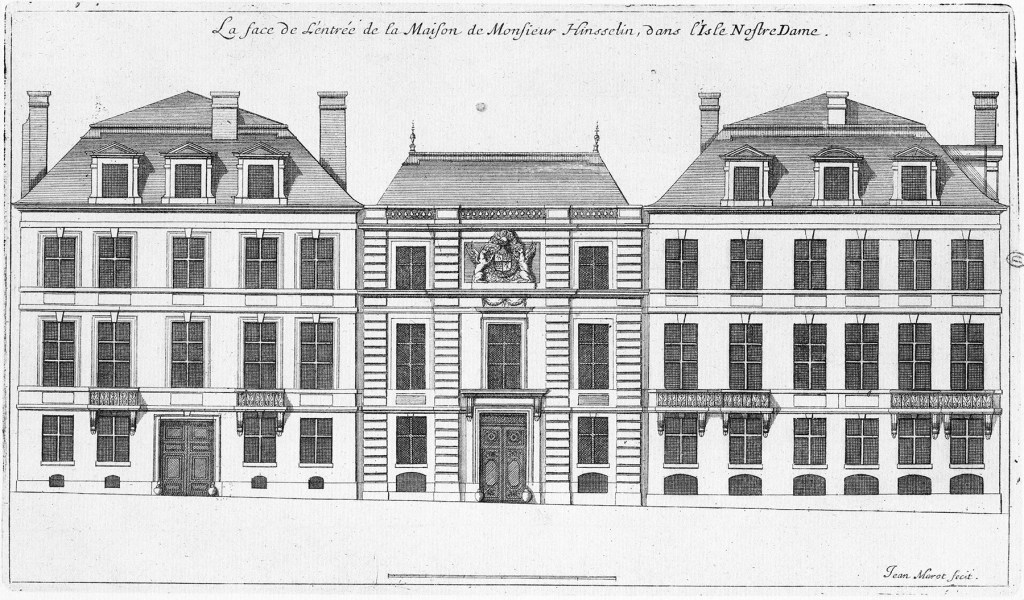
One of the other interesting design elements of the structure was the façade which mirrored the Le Vau designed Hôtel Sainctot to the west. The architect cleverly mirrored the two structures anchoring them by placing the carriage entrance of the Hôtel Hesselin between allowing for a large reception room facing the river above.
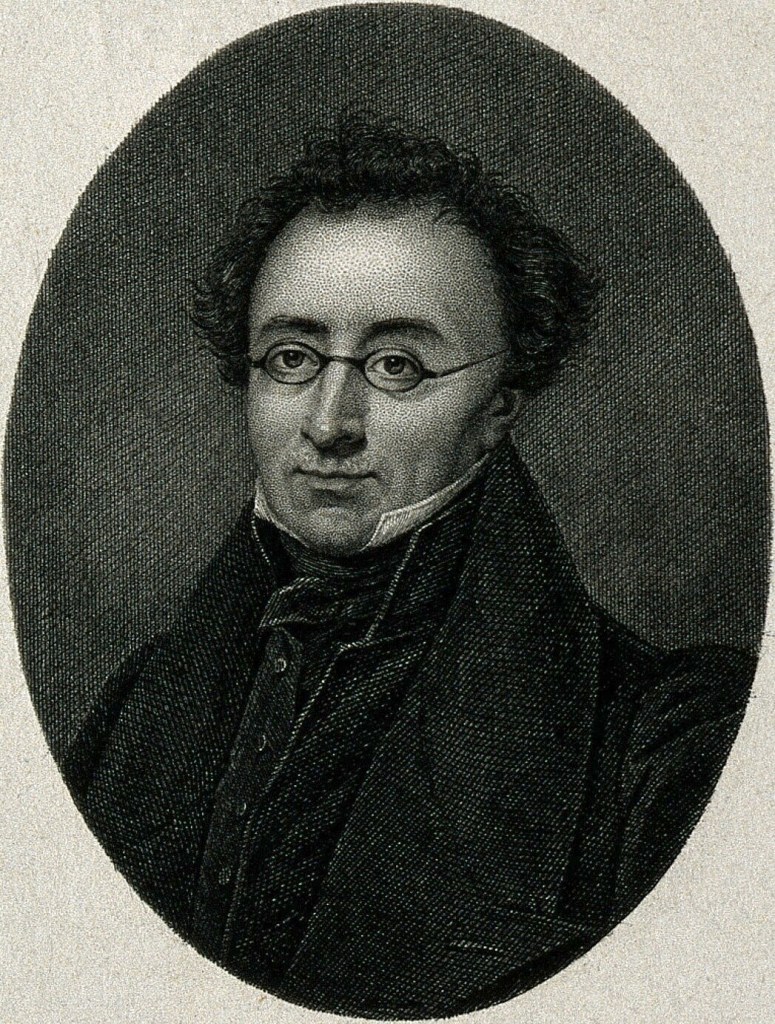
In the late 18th and early 19th century the mansion was home to Alexandre Jean-Baptiste Parent du Châtelet, a pioneering public health advocate whose essay on the Sewers of Paris caused quite a stir at the time. Châtelet’s posthumous work, “On Prostitution in the City of Paris, Considered from the Perspective of Public Health, Morality, and Administration” is his most famous work. It was revolutionary for its in-depth history of prostitution and was one of the first extensive studies of empirical sociology. Châtelet was awarded the Légion d’honneur in 1816 and lived in the Hôtel Hesselin until his death in 1836.
One of the building’s most salacious anecdotes belongs to Denys Hasselin, organizer of the king’s ballets and pleasures. Denys, who was well known for his proximity to the King, is most notable for having died of gluttony, having consumed 294 walnuts on a bet and succumbing to his excess. Many internet sources state that Denys was the original owner of the house, but research turned up no corroborating evidence of the above, but published sources support the conclusion that Louis Hesselin commissioned the home and was its original owner.
The original mansion, which was a listed historic site, was regrettably demolished in 1935 by the cosmetics magnate Helena Rubinstein, who claimed that foundations of the structure had been undermined by repeated flooding, and that the building should be torn down. The mansion was removed and replaced with the current structure which was designed by the architect and designer Louis Süe.
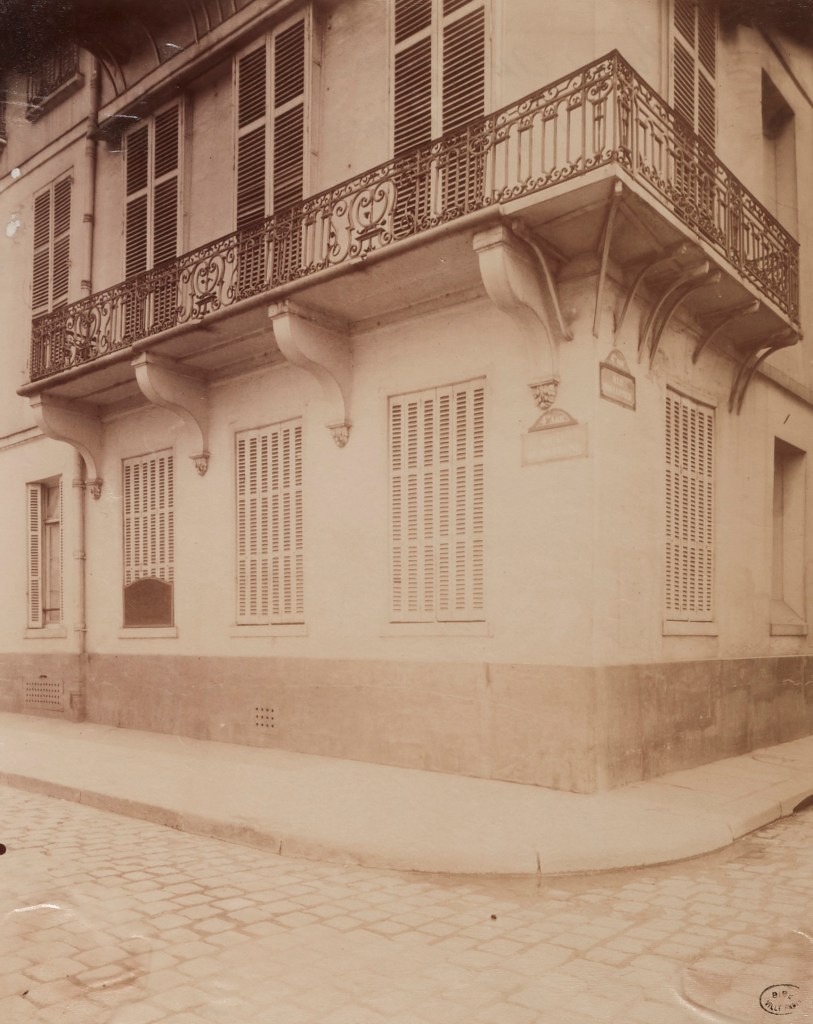
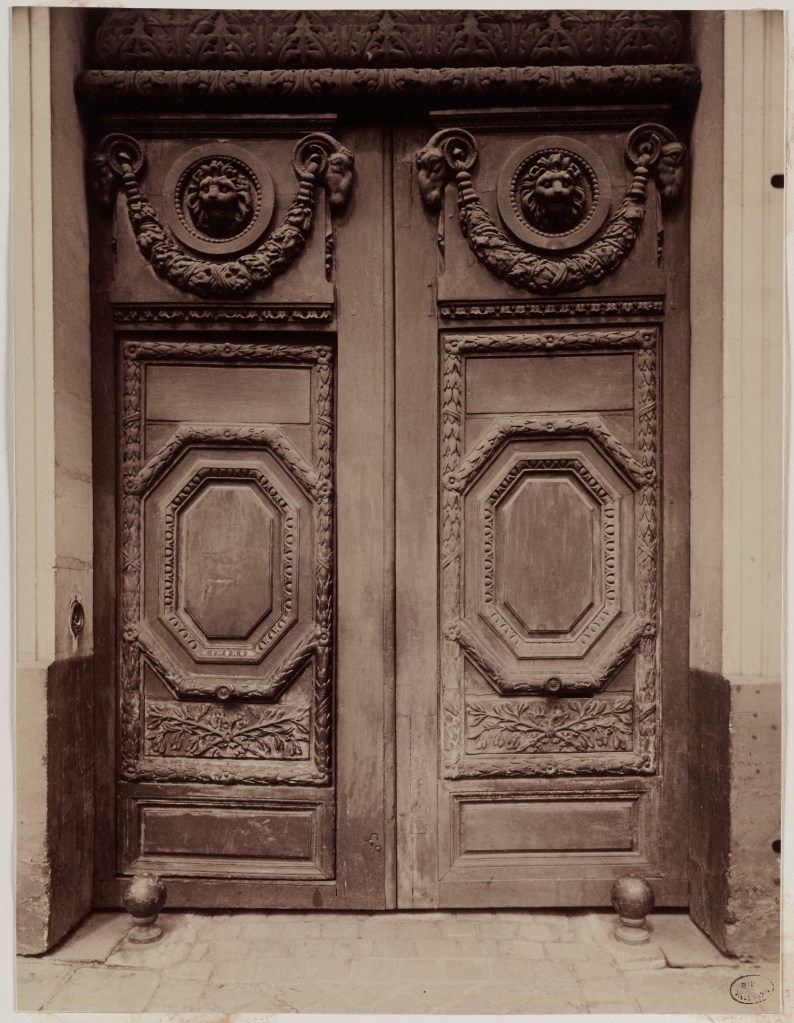
All that remains of Le Vau’s original façade are Le Hongre’s original carriage doors and an iron balcony which were declared historic monuments in 1927.
The Hôtel Hasselin was also the final home of Georges Pompidou who died there in 1974.
 L'Île Saint-Louis