Hôtel de Chenizot
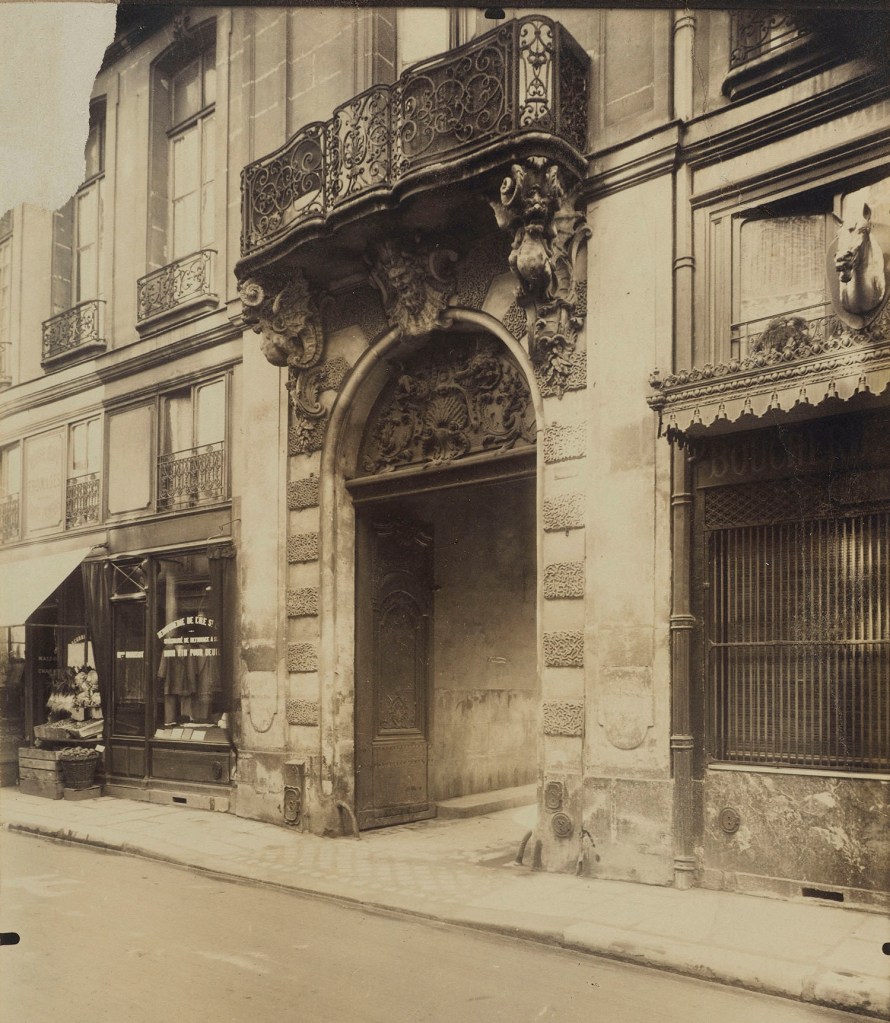
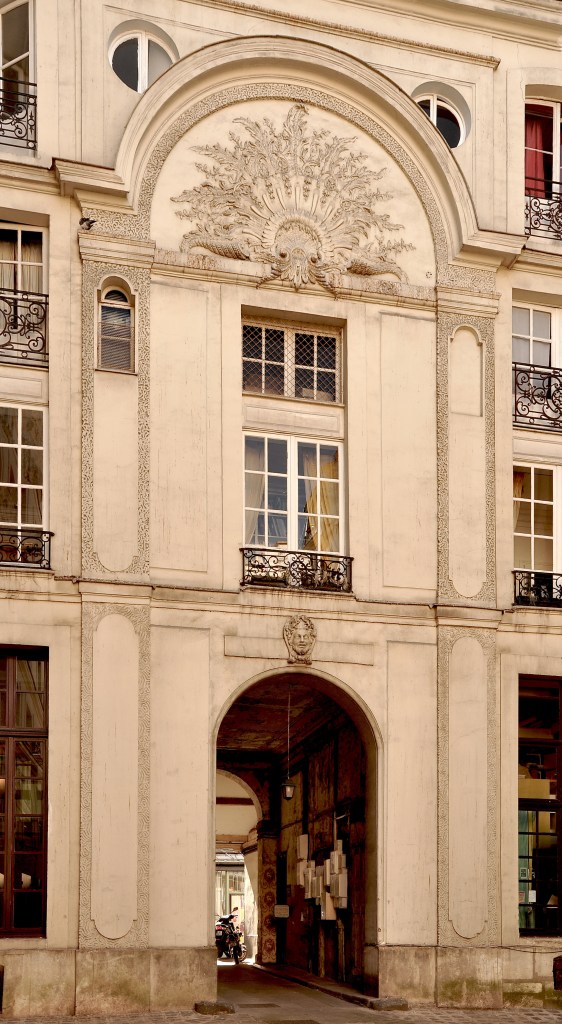
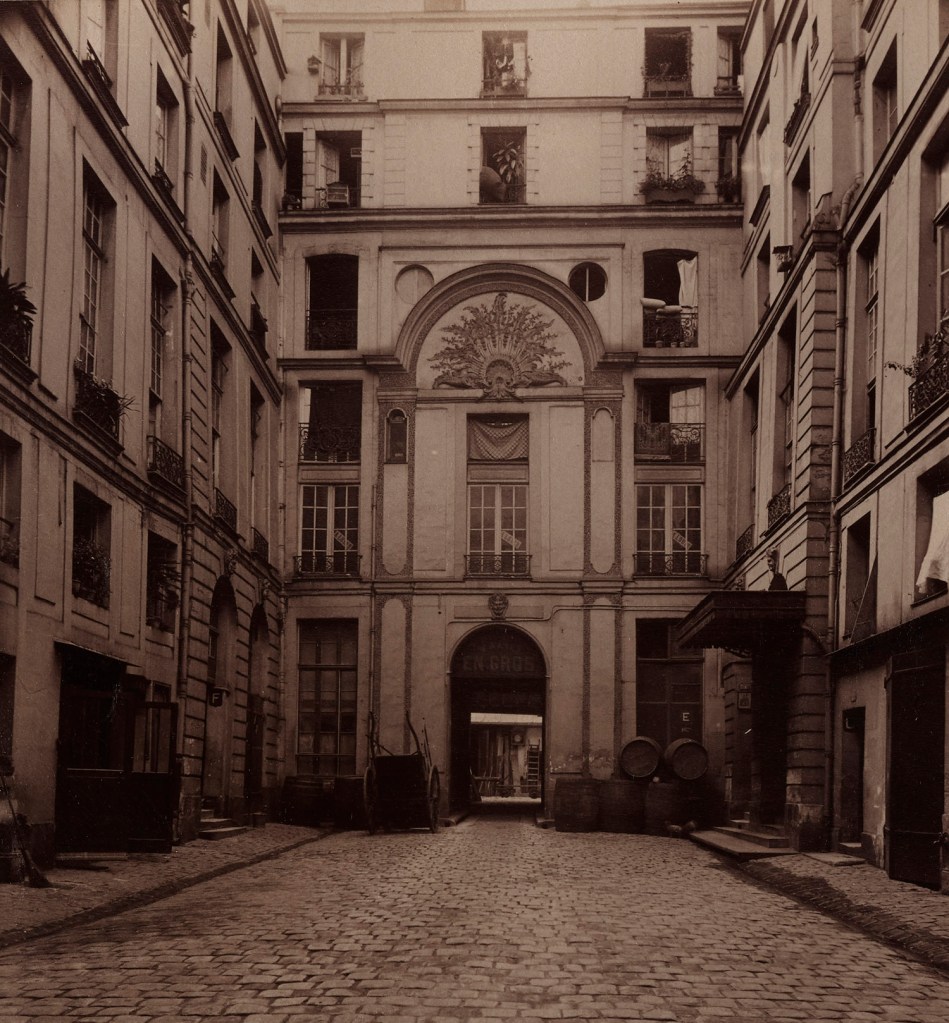
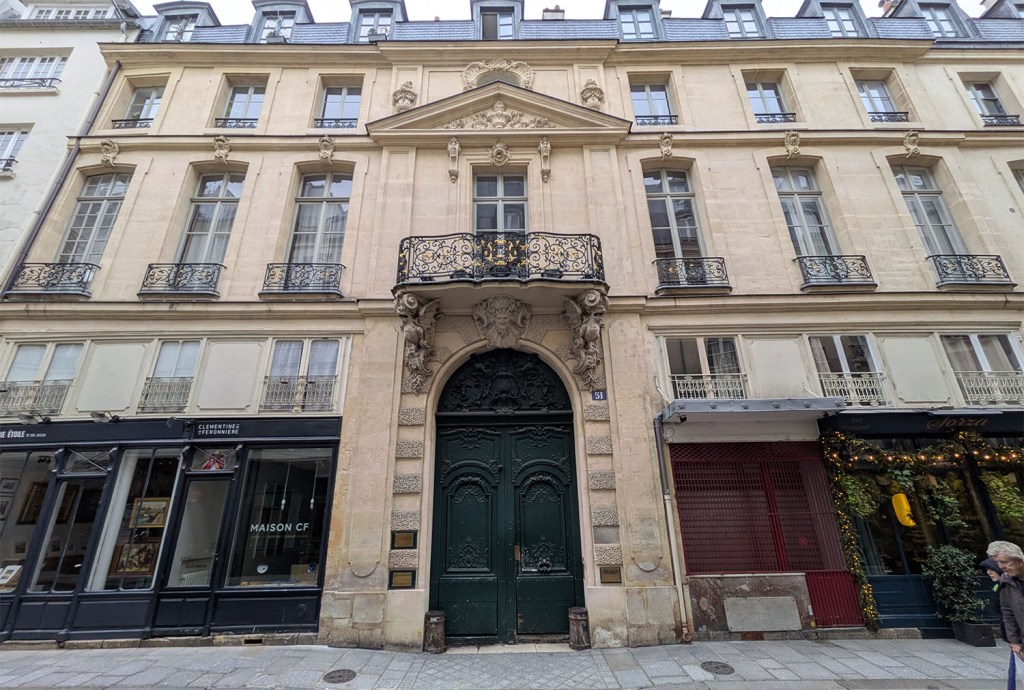
The Hôtel de Chenizot is one of the most recognizable sites on the island at 51 rue Saint-Louis en l’Île. Its façade and many architectural elements are protected, but much of the period charm one sees now is the result of 18th century renovations.
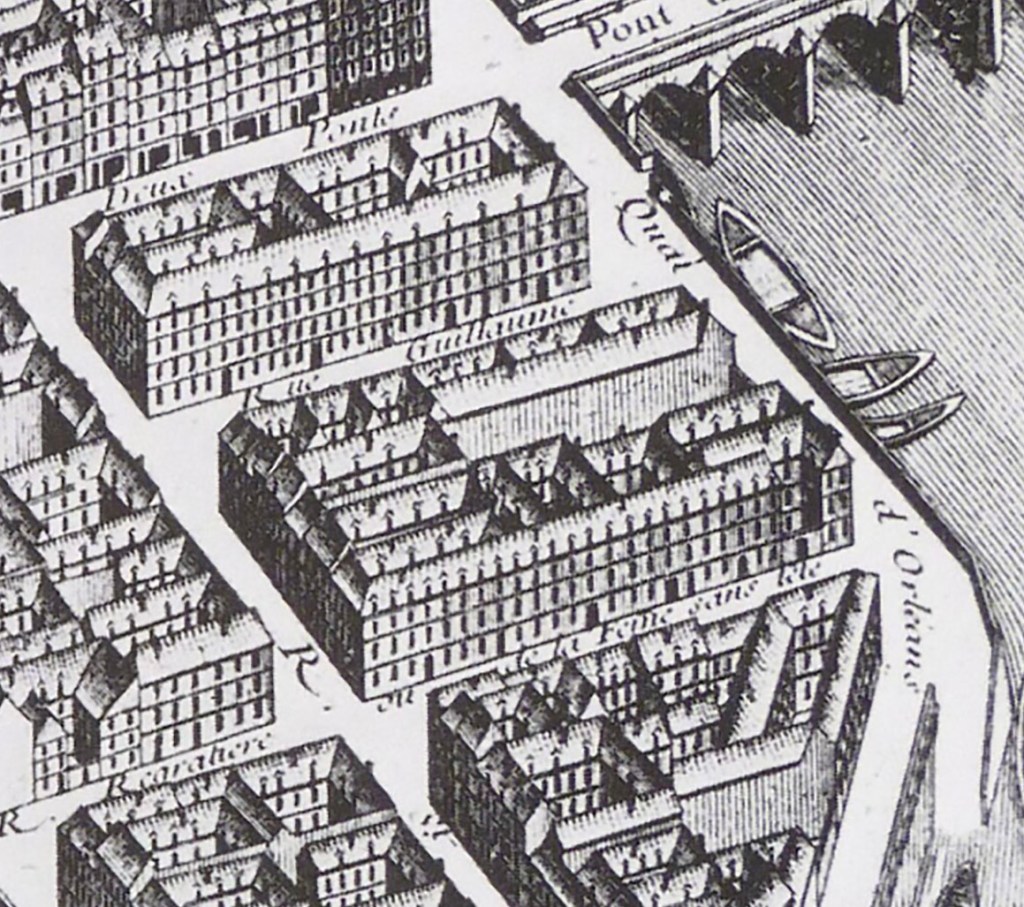
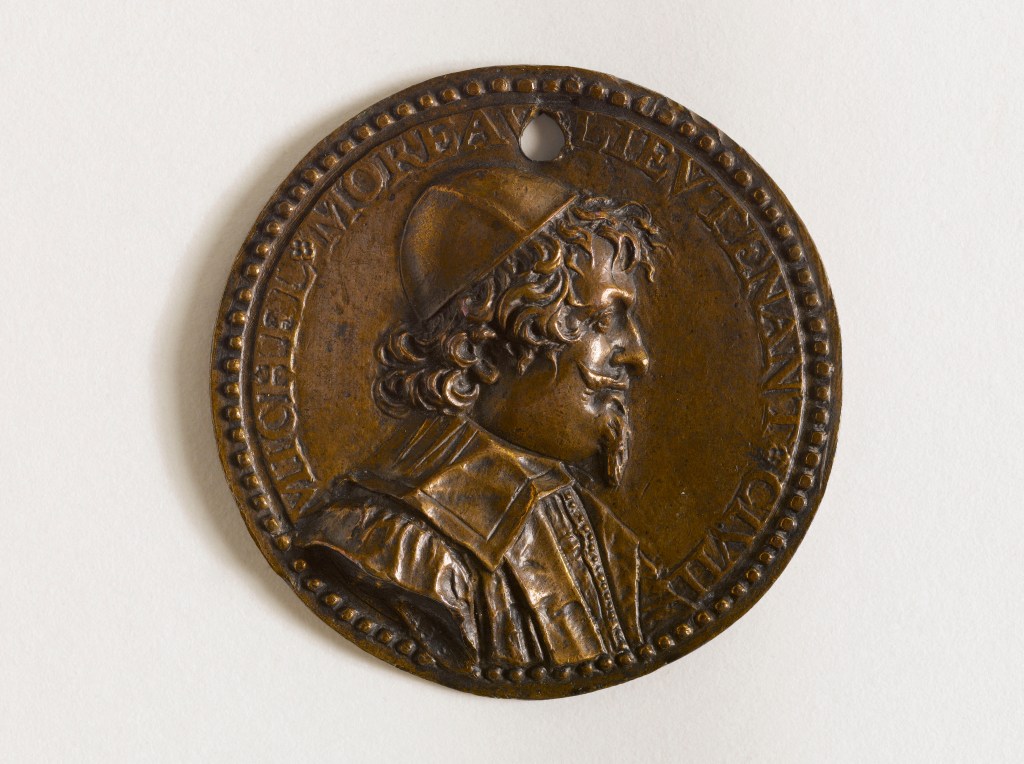
Research indicates the widow of the provost of the merchants, Michel Moreau, brought the estate into her second marriage, so it is likely that Monsieur Moreau was the first owner of the plot of land or indeed commissioned the original mansion which dates to the development of the island in 1640. The main gate of the home was located at its current site on rue Saint-Louis en l’Île (then rue Traversante) with the first courtyard beyond the gates and the public and private apartments directly in front and flanking the enclosure, with another courtyard behind the first and the garden beyond that extending all the way to the quai d’Orléans on the southern shore of the island.
Mid-17th century records indicate the home belonged to Moreau’s widow, Geneviève L’Huillier and her 2nd husband, Étienne II d’Aligre. Monsieur d’Aligre served as Keeper of the Seals of France before becoming the country’s Chancellor in 1674.
The mansion’s current name dates to 1719 when the home was purchased by Jean-François Guyot de Chenizot. Monsieur Chenizot undertook a large renovation of the mansion hiring architect Pierre Vigné de Vigny to do the work. The existing gate and the magnificent balcony were some of Vigné de Vigny’s additions to the structure. The estate belonged to the Chenizot family until it was purchased by a magistrate named Jacques Devin in 1776.
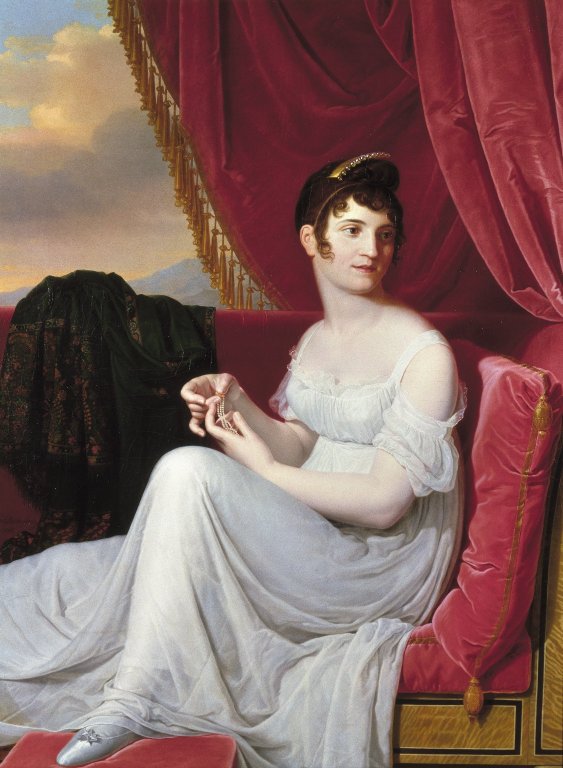
One of the most interesting residents of the building was the wife of Monsieur Devin’s grandson, an aristocrat of Franco-Spanish descent, Thérèsa Devin de Fontenay. Madame Devin de Fontenay hosted an influential salon at the mansion that supported the ideas of the Enlightenment, and later became known as “Notre Dame de Thermidor” after succeeding in saving many Bordeaux residents from the guillotine.
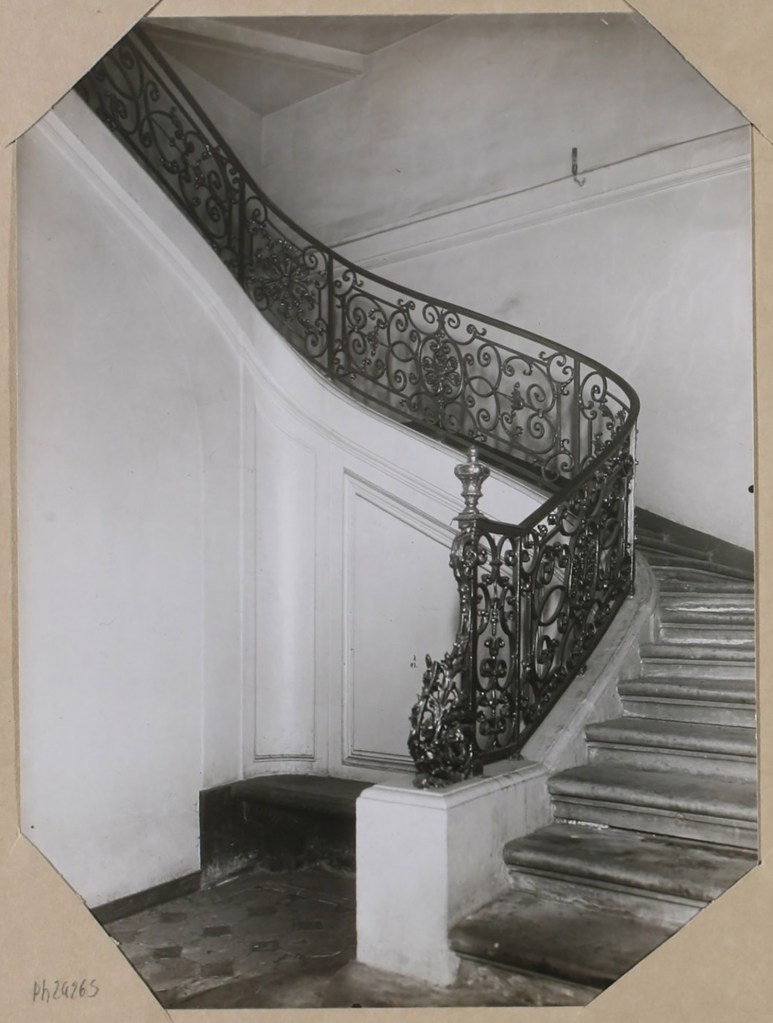
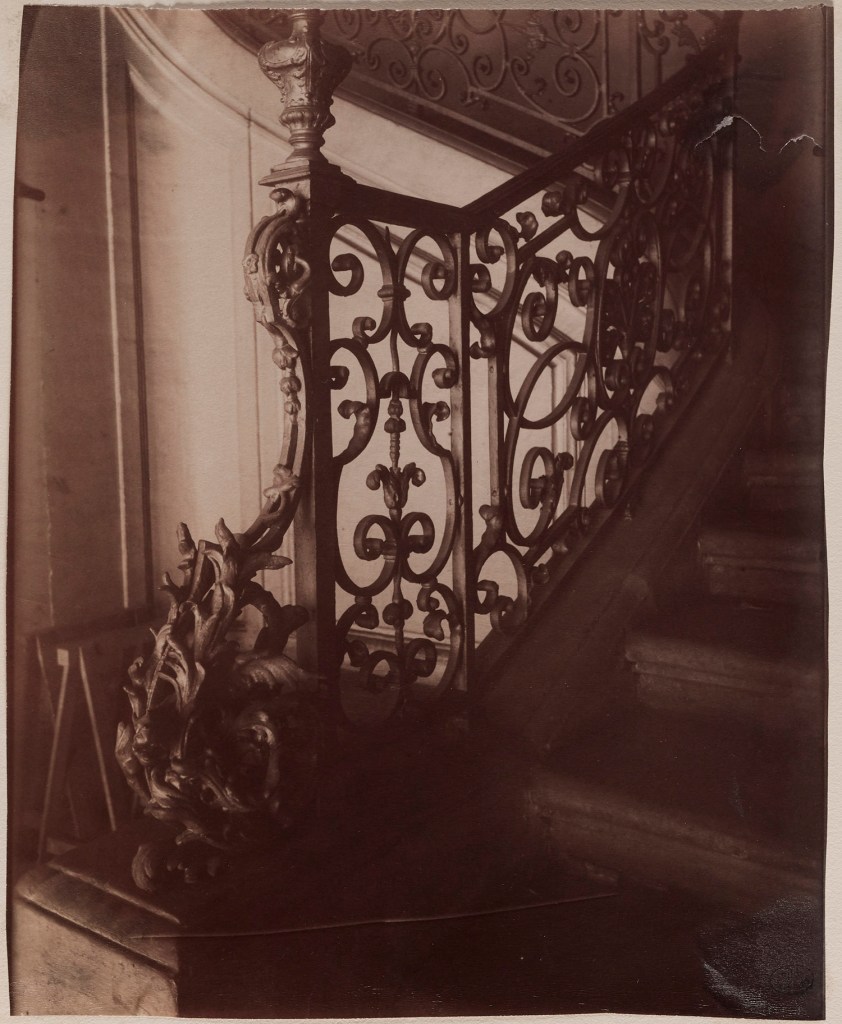
Départ de l’escalier, Charles Joseph Antoine Lansiaux, 1917, Musée Carnavalet, Histoire de Paris
After the Devin de Fontenay family quit the mansion, it was briefly the property of a wine merchant before being rented by the state to the Archbishop of Paris, Monseigneur Affre after the riots of 1831 severely damaged the archdiocese.
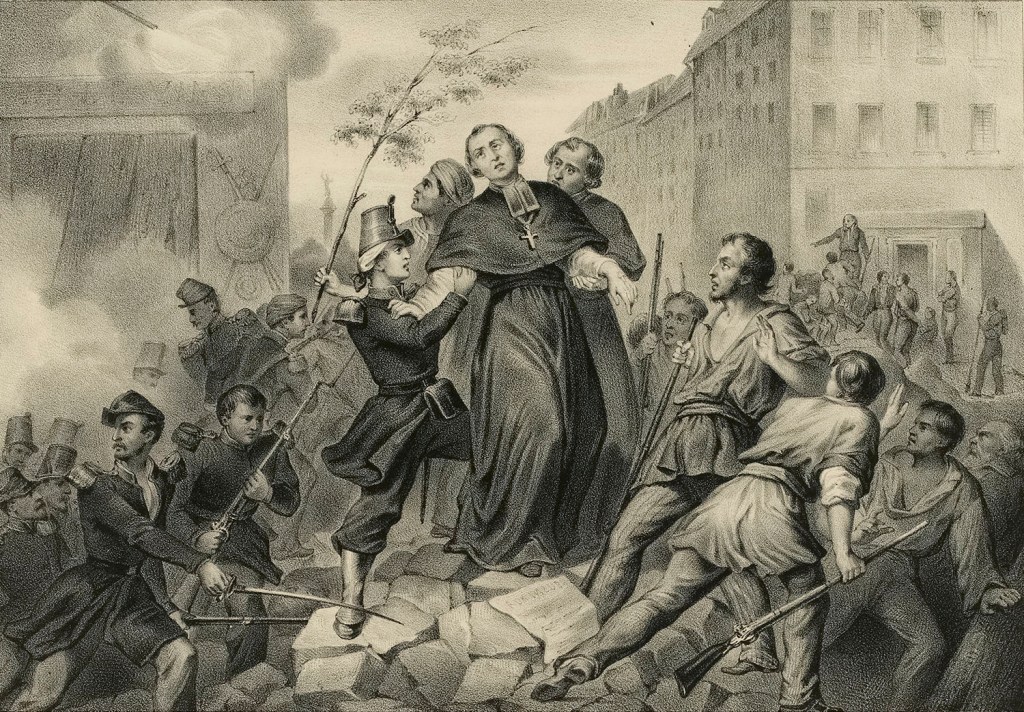
The Archbishop lived in the mansion until his death in 1848 after having been mortally wounded by a bullet during the June Days uprising of 1848. He laid in state at the Chenizot before his funeral at Notre-Dame. The Monseigneur’s successor, Marie Dominique Auguste Sibour, lived briefly in the home until leaving for other quarters in 1849, and after that the mansion became staff accommodations for the 1st Legion of Gendarmerie until 1862.
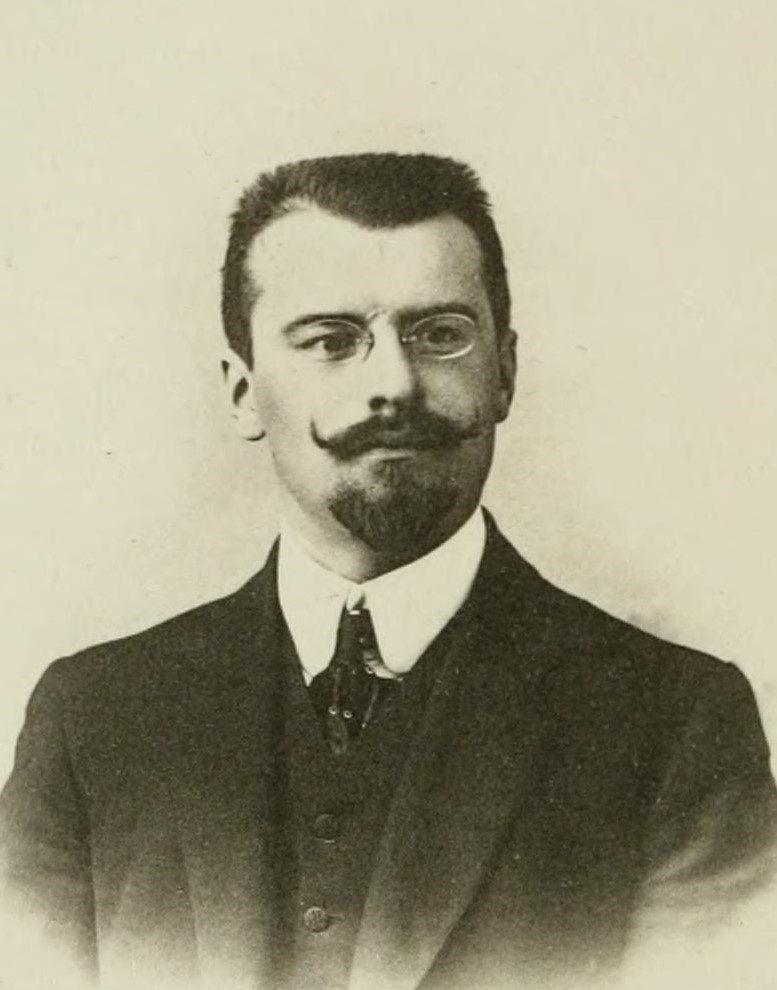
The garden of the mansion was sold off in 1863, and the home again became private residences. In the following years the mansion was the birth place of noted archeologist Felix de Pachtère, and the home of metaphysicist René Guénon from 1904 to 1930.
The façade, roofs, stairs and courtyards of the Hôtel Chenizot became historic monuments in 2002. Sculptor François Roumier, iron-maker Nicolas Viennot and architect Pierre de Vigny all made major design contributions to the artistic legacy of the building.
The building is currently occupied by private apartments.
 L'Île Saint-Louis